
Our research program is built on three pillars: integrating mouse and human biology, using organismal and cellular models of aging and of cancer, and applying advanced genomic technologies empowered by computational analysis.
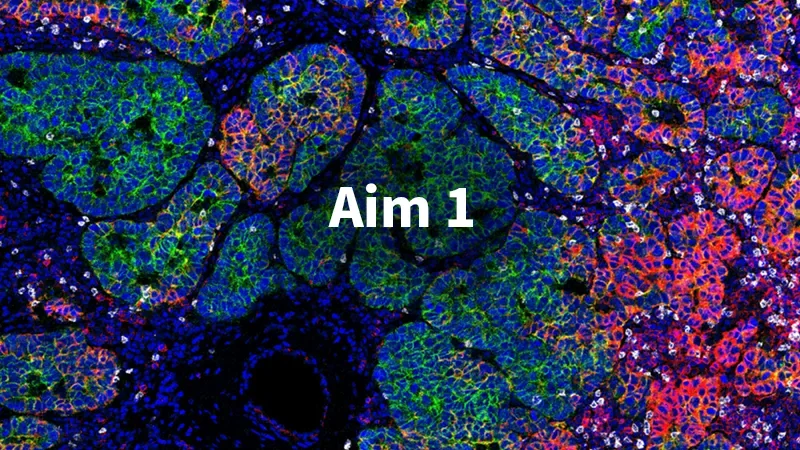
Uncover the mechanisms inside cancer cells that drive tumor progression and treatment resistance, and how aging modulates them.
How does cancer arise from the subversion of normal developmental programs, and what underpins cellular heterogeneity within tumors?
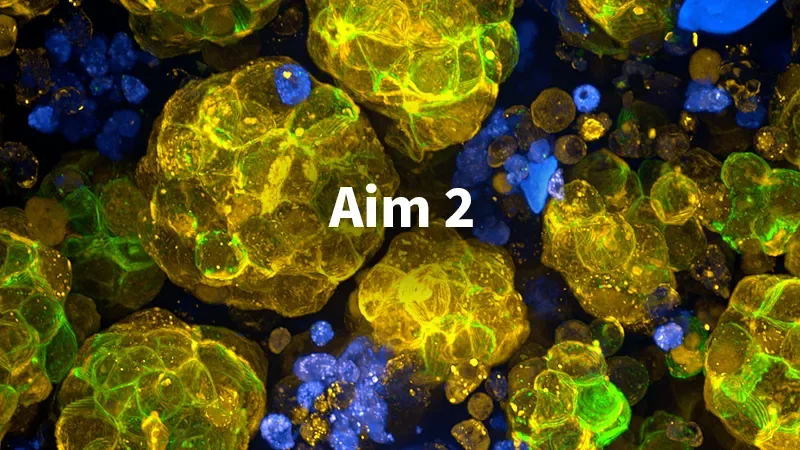
Dissect the complexity of the tumor microenvironment and its associations with genetics and aging, using advanced imaging and spatial transcriptomics.
Why do not all cells with oncogenic mutations progress to cancer, and how does the immune system shape tumor heterogeneity?
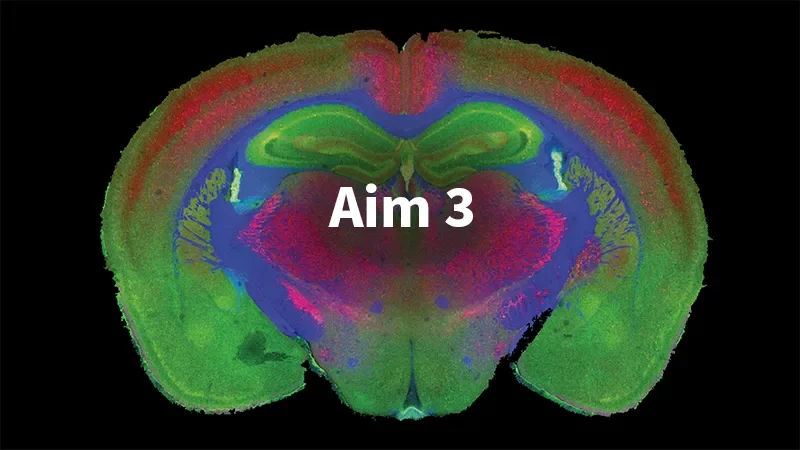
Decipher and modulate aging-associated pathology in the host to prevent tumor progression and treatment resistance.
How does the whole body shape the tumor microenvironment and the response to treatment?
An NCI-designated Cancer Center since 1983
Through the GAINS initiative, JAX scientists are investigating how aging and genetic diversity influence cancer development. By studying naturally occurring tumors in aged mice, researchers aim to uncover new insights into cancer susceptibility and advance our understanding of the disease.
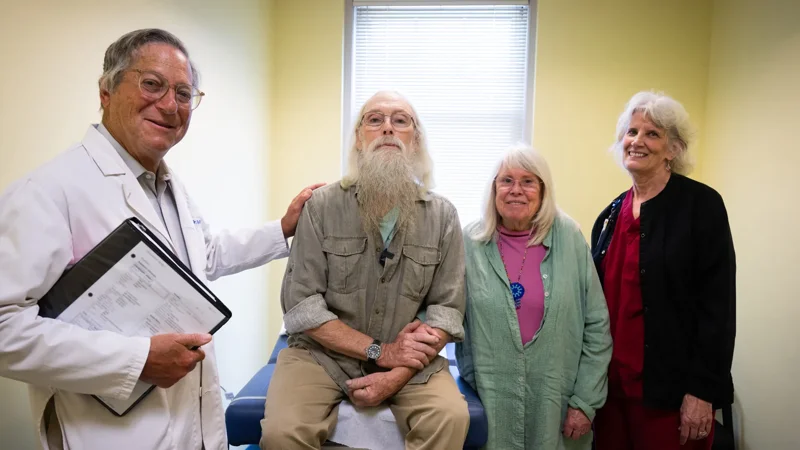
Diagnosed with stage four prostate cancer, Henry Grandgent expected a future of long hospital drives and distant specialists. Instead, the Maine Cancer Genomics Initiative (MCGI) brought world-class cancer care to his island community.
View more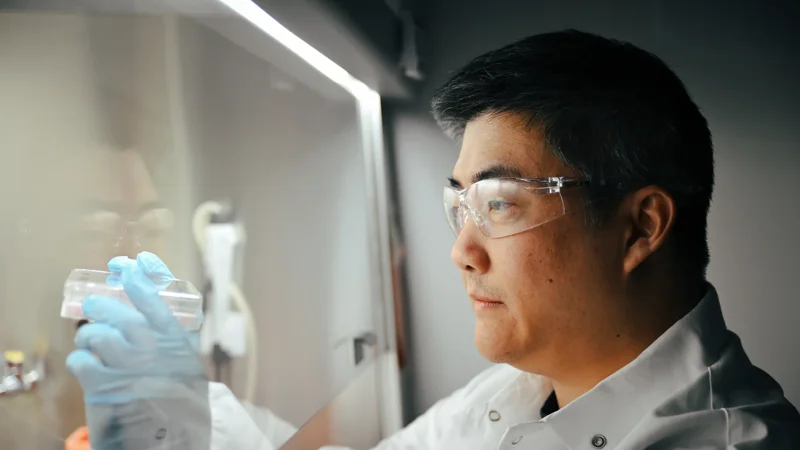
Researchers created a CRISPR-based tool to pinpoint genes the cancer turns off.
View more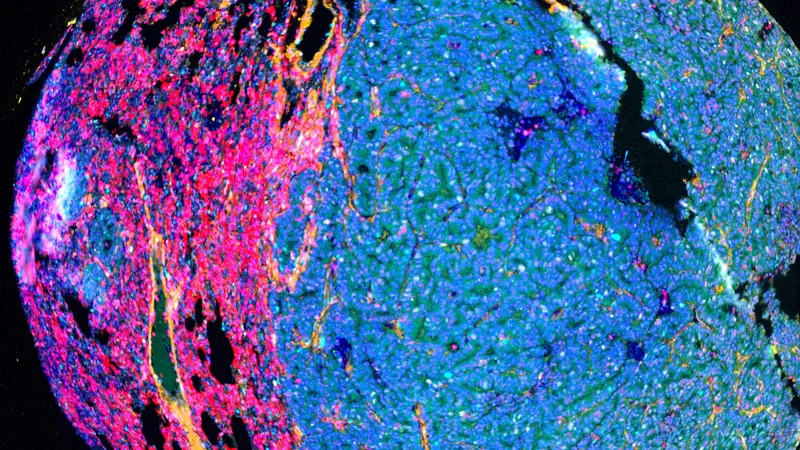
Tissue AI reveals not just where cancer cells are, but how they communicate, evolve, and shape their surroundings.
View moreThe success of The JAX Cancer Center is driven by its vibrant and engaged membership. The JAX Cancer Center Leadership plays a crucial role in connecting members to resources within JAX, enhancing and expanding their research and collaborations.
The Cancer Center Support Grant (CCSG) from NCI supports shared scientific resources at JAX. Some of these include:



“Looking ahead, we are building toward a future where cancer treatments are more personal, more precise and more powerful. By continuing to collaborate across institutions and disciplines, we aim to transform our scientific insights into real world impact—bringing hope, innovation and new possibilities to patients who need them most.”
– Karolina Palucka, M.D., Ph.D. | Director, JAX Cancer Center; JAX Professor and Edison T. Liu Endowed Chair in Cancer Research
Empower Cancer Research
Support life-saving cancer research at The Jackson Laboratory Cancer Center. Your donation will empower our scientists to explore how cancer develops and spreads, leading to breakthroughs in personalized therapies, especially for the most difficult-to-treat cancers and aging populations.