
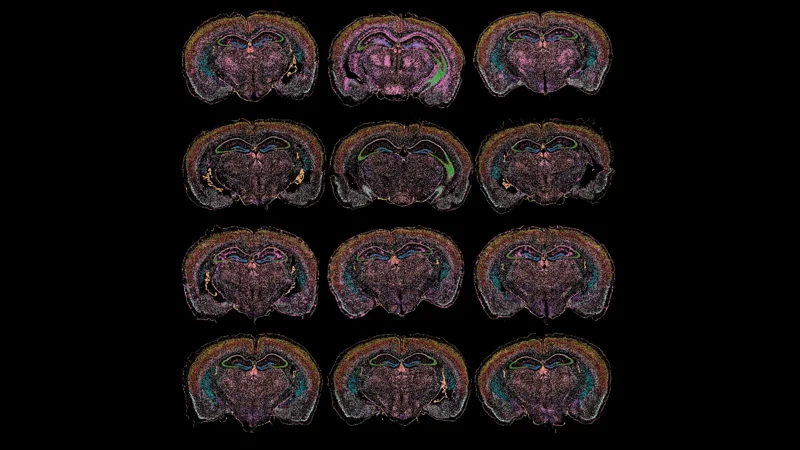
Alzheimer’s disease is a chronic, progressive neurodegenerative disorder and the most common cause of dementia.
View more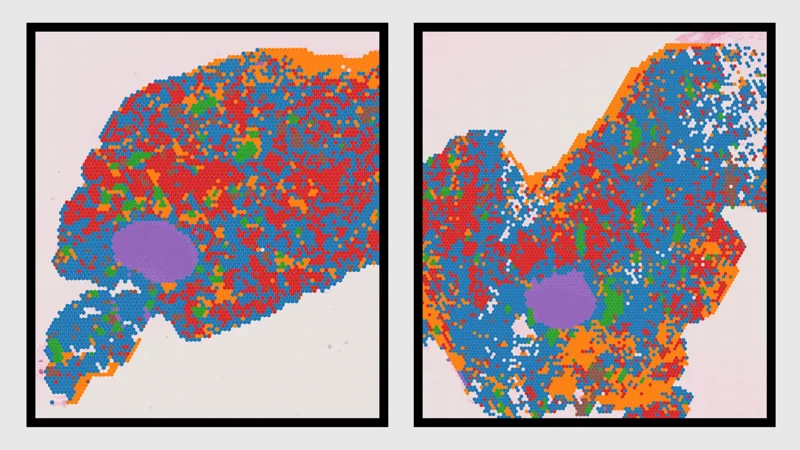
Breast cancer is one of the most common cancers worldwide and the most commonly diagnosed cancer among women.
View more
Cardiovascular diseases are a group of disorders of the heart and blood vessels that include heart failure, stroke and atrial fibrillation.
View more
Type 2 diabetes is a chronic metabolic disorder that affects more than 37 million Americans and an estimated 530 million people worldwide.
View more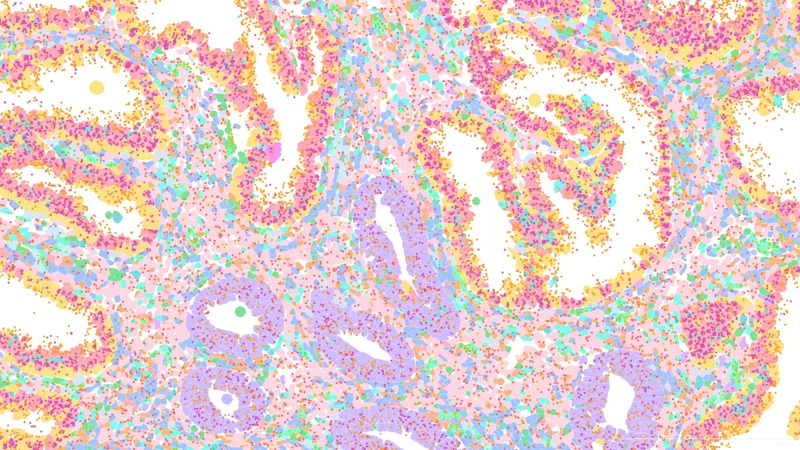
Endometriosis affects 1 in 10 female-born individuals globally, causing pain and infertility. Diagnosis is challenging, often requiring surgery.
View more
Infectious diseases are illnesses caused by pathogens such as viruses, bacteria, fungi and parasites.
View more
Lung cancer is one of the most common and deadly forms of cancer, affecting millions of people worldwide each year.
View more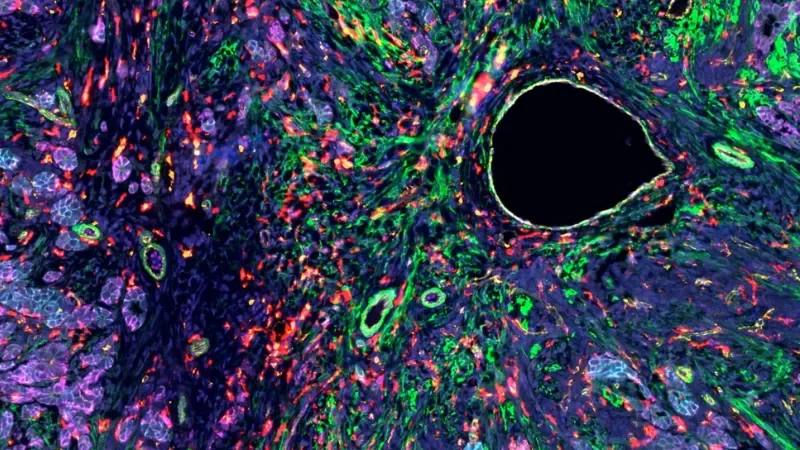
Ovarian cancer is a group of gynecologic cancers that affect the ovaries, fallopian tubes and surrounding tissues.
View more
Parkinson’s disease is a chronic, progressive neurodegenerative disorder that affects more than one million Americans and 10 million people worldwide.
View more
While each rare disease affects only a small number of people, together they impact millions and offer clues about how biology works.
View more