
Disease outcomes vary widely—from mild symptoms to life-threatening complications—and are shaped by complex interactions between pathogens and the immune system. Understanding why some individuals develop severe disease while others remain resilient is critical to advancing prevention, diagnosis and treatment.
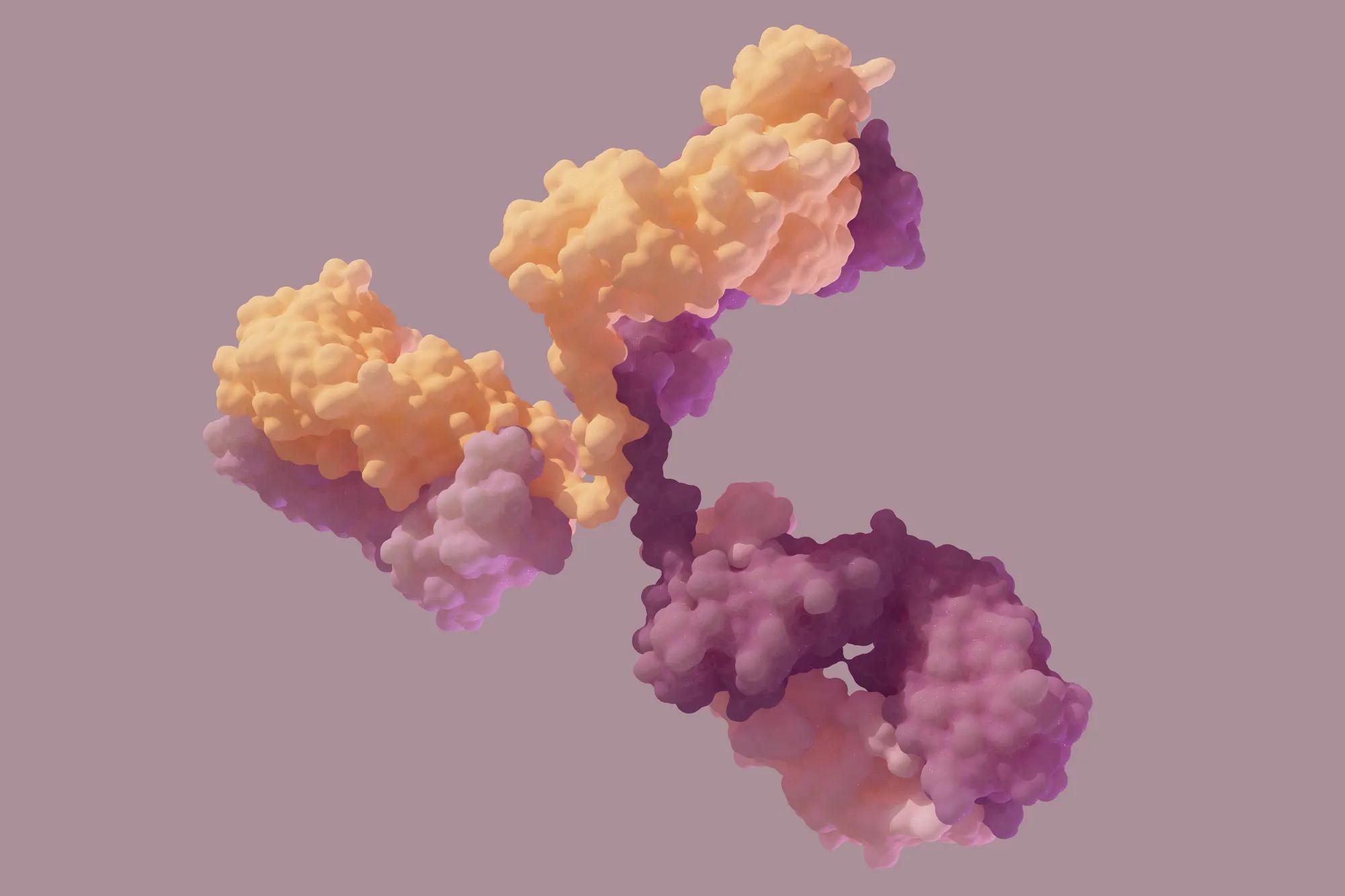
Infectious disease is an umbrella term for illnesses caused by pathogens including viruses, bacteria, fungi, and parasites. These diseases can spread through direct contact, airborne transmission, contaminated food or water, insect vectors or other environmental exposures.
Disease outcomes depend not only on the pathogen itself, but also on how the body responds to infection. Age, genetics, underlying health conditions and environmental factors can all influence susceptibility, disease severity and recovery. Understanding these interactions is essential for developing more effective strategies to prevent, diagnose and treat infectious diseases.
Pathogens continually evolve, generating new variants and strains that can evade immune defenses and reduce the effectiveness of existing treatments. At the same time, individuals respond differently to infection based on their genetics, age, immune status and environmental exposures. Many infectious diseases are also characterized by complex interactions between pathogens and the host immune system. Understanding these biological mechanisms is essential for improving diagnostics, predicting disease severity, developing vaccines and identifying new therapeutic targets.
At JAX, scientists are advancing infectious disease research by uncovering how pathogens interact with the immune system and why disease outcomes differ across individuals and populations, with particular strengths in viral infectious diseases, including influenza, RSV and SARS-CoV-2. Building on decades of leadership in immunology and genetics, JAX researchers study the biological mechanisms that shape immune responses, influence disease susceptibility and drive protection against infection.
JAX researchers utilize mouse models, human immune cell and clinical studies, single-cell genomics, computational biology, and systems immunology to investigate the mechanisms that drive infection, inflammation, and recovery. Our scientists are also expanding efforts to understand how microbes—including pathogens and the beneficial organisms that make up the human microbiome—interact with the immune system and influence health and disease.
Our researchers, including Duygu Ucar and Silke Paust, are advancing our understanding of immune resilience, vaccine responses and antiviral immunity. Their work is helping to accelerate the development of more effective vaccines, therapies, and precision medicine approaches for infectious diseases.
Support JAX research
Your gift helps JAX researchers uncover the secrets hidden in the human immune system, accelerating discoveries that strengthen prevention, improve treatments and prepare us for future health threats.

Study finds infants’ immune systems respond very differently to the two viruses, with important treatment implications.
View more
Unusual immune strategy protects against all tested flu strains and prevents viral escape.
View more
New research from The Jackson Laboratory and partners reveals that chronic fatigue syndrome (ME/CFS) and long COVID may leave detectable biological fingerprints in the body.
View more