
It occurs when tissue similar to the lining of the uterus (the endometrium) grows outside the uterus, leading to inflammation, scarring, pain and, in some cases, infertility. Despite its prevalence, endometriosis is often underdiagnosed and misunderstood. Symptoms vary widely—from debilitating pelvic pain to gastrointestinal issues—making early diagnosis and effective treatment a persistent challenge.
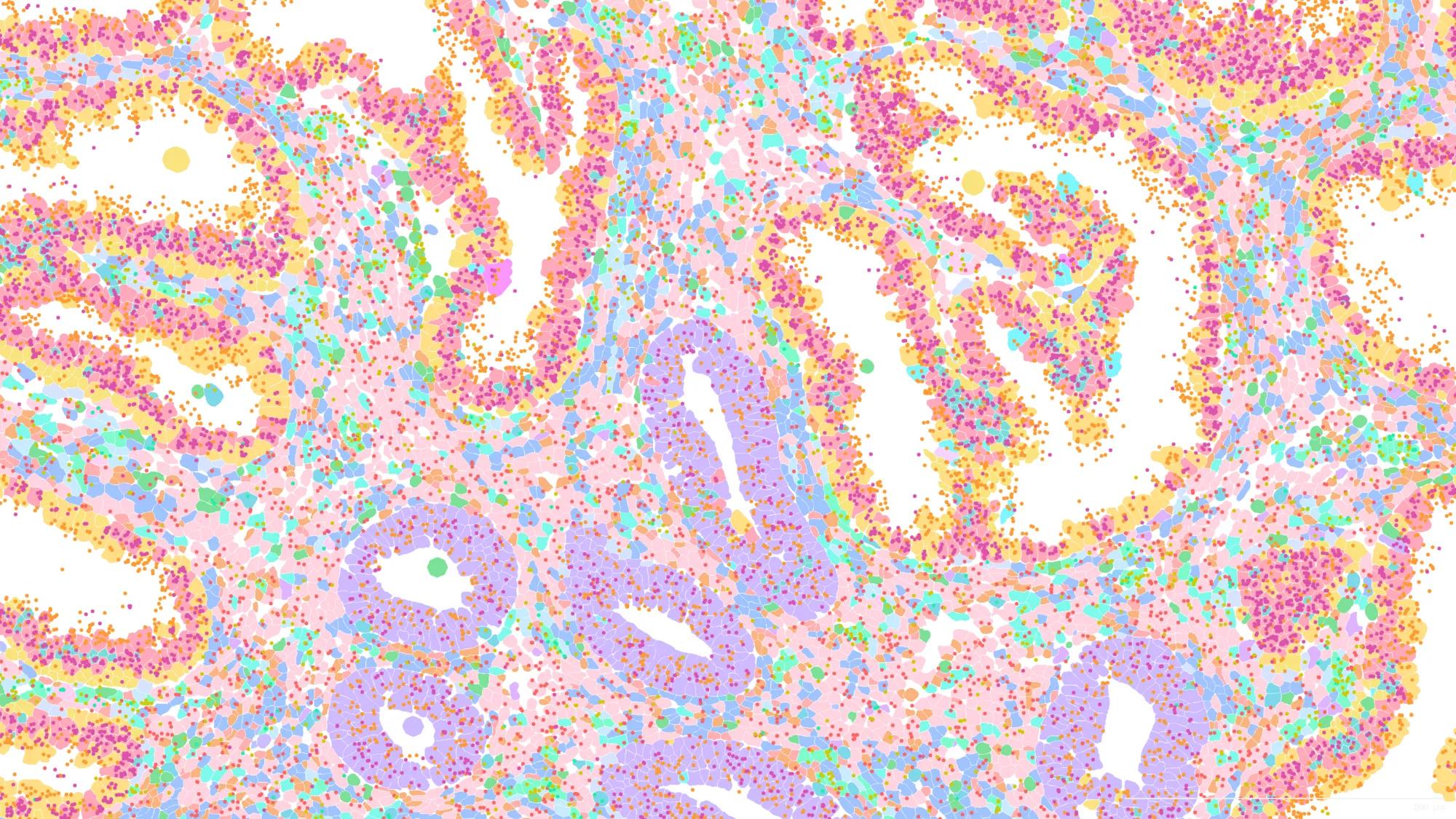
During a typical menstrual cycle, the endometrium thickens and sheds if pregnancy does not occur. In endometriosis, tissue resembling this lining grows outside the uterus and can be found throughout the body (including in ovaries, fallopian tubes, intestines or other organs).
More than a gynecological condition, endometriosis is a systemic disease that affects the entire body. It can trigger chronic inflammation, cause debilitating pain, disrupt normal organ function and contribute to infertility.
Symptoms of endometriosis can overlap with other conditions and vary significantly from person to person. In the majority of cases, it takes invasive surgery and a pathology report to definitively diagnose. As a result, diagnosis is often delayed for years, limiting access to early intervention and effective treatment.

Elise Courtois leads a pioneering research team at JAX focused on understanding the fundamental biology of endometriosis—why it spreads, how it causes pain, and what drives disease recurrence. Despite its prevalence, the causes of endometriosis remain poorly understood. The Courtois Lab is trying to change that.
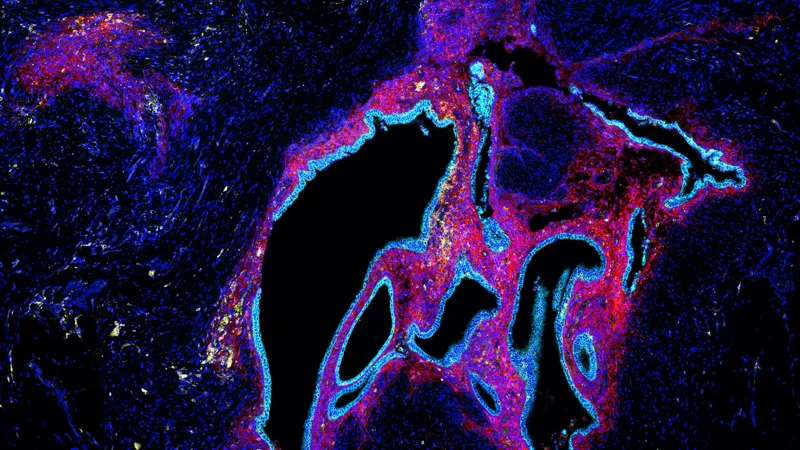
Using cutting-edge technologies like 3D tissue modeling, single-cell sequencing and spatial ‘omics, Courtois’ team is mapping how cells and molecular pathways respond to endometriosis lesions. By identifying key cellular and molecular mechanisms, this work lays the foundation for earlier diagnosis and more personalized, effective treatments for people living with endometriosis.
Courtois is also co-director of EndoRISE (Endometriosis Research, Innovation, Support, and Education), which is operated through a partnership between UConn Health and The Jackson Laboratory, with focus a focus in three main areas: public awareness, clinical education and the administration of the endometriosis biorepository.
Help transform endometriosis research
Your gift helps transform how endometriosis is understood, diagnosed and treated—bringing long-overdue answers to millions of patients.
EndoRISE is more than a research initiative. It’s a model for how states can take on complex, underfunded diseases in a coordinated, impactful way.
View more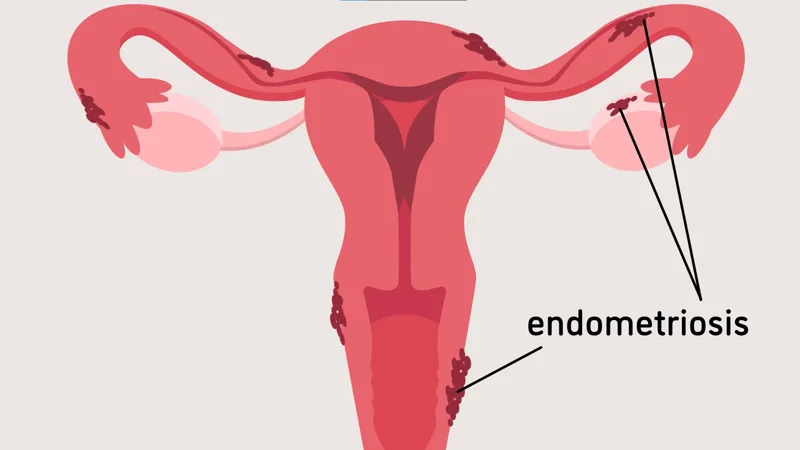
Endometriosis is a fairly common gynecological condition that affects 200 million people with uteruses worldwide. So what is this condition exactly and what can be done about it?
View more