
The disease is driven by the dysfunction and gradual loss of dopamine-producing neurons in the brain—cells essential for coordinating movement and regulating mood and cognition. As Parkinson’s progresses, it impacts not only movement but also mental health, sleep, digestion and overall quality of life. While treatments can help manage symptoms, there are currently no therapies proven to slow or stop disease progression.

Parkinson’s disease occurs when dopamine-producing neurons in a region of the brain responsible for movement and coordination begin to malfunction and die. Dopamine is a neurotransmitter that helps regulate smooth, purposeful movement as well as aspects of mood and motivation. As dopamine levels decline, the brain’s ability to coordinate movement becomes impaired. Over time, this leads to the characteristic motor symptoms of Parkinson’s disease. Parkinson’s is more than a movement disorder, it is a complex, systemic neurological condition that can affect cognition, mood, sleep, digestion and autonomic function.
Research suggests that the biological changes underlying Parkinson’s may begin decades before clinical symptoms appear—highlighting the urgent need for earlier detection and deeper understanding of disease initiation.
There is no single test that can definitively diagnose Parkinson’s disease. Diagnosis is based on medical history, reported symptoms, and neurological and physical examinations. Symptoms can overlap with other neurological conditions and disease progression varies significantly from person to person. Some individuals experience gradual changes over many years, while others progress more rapidly. The absence of validated early biomarkers means that Parkinson’s is typically diagnosed only after motor symptoms emerge, which is when substantial neuronal loss has already occurred. Advancing tools for earlier detection and improved predictive modeling is critical to transforming patient outcomes.
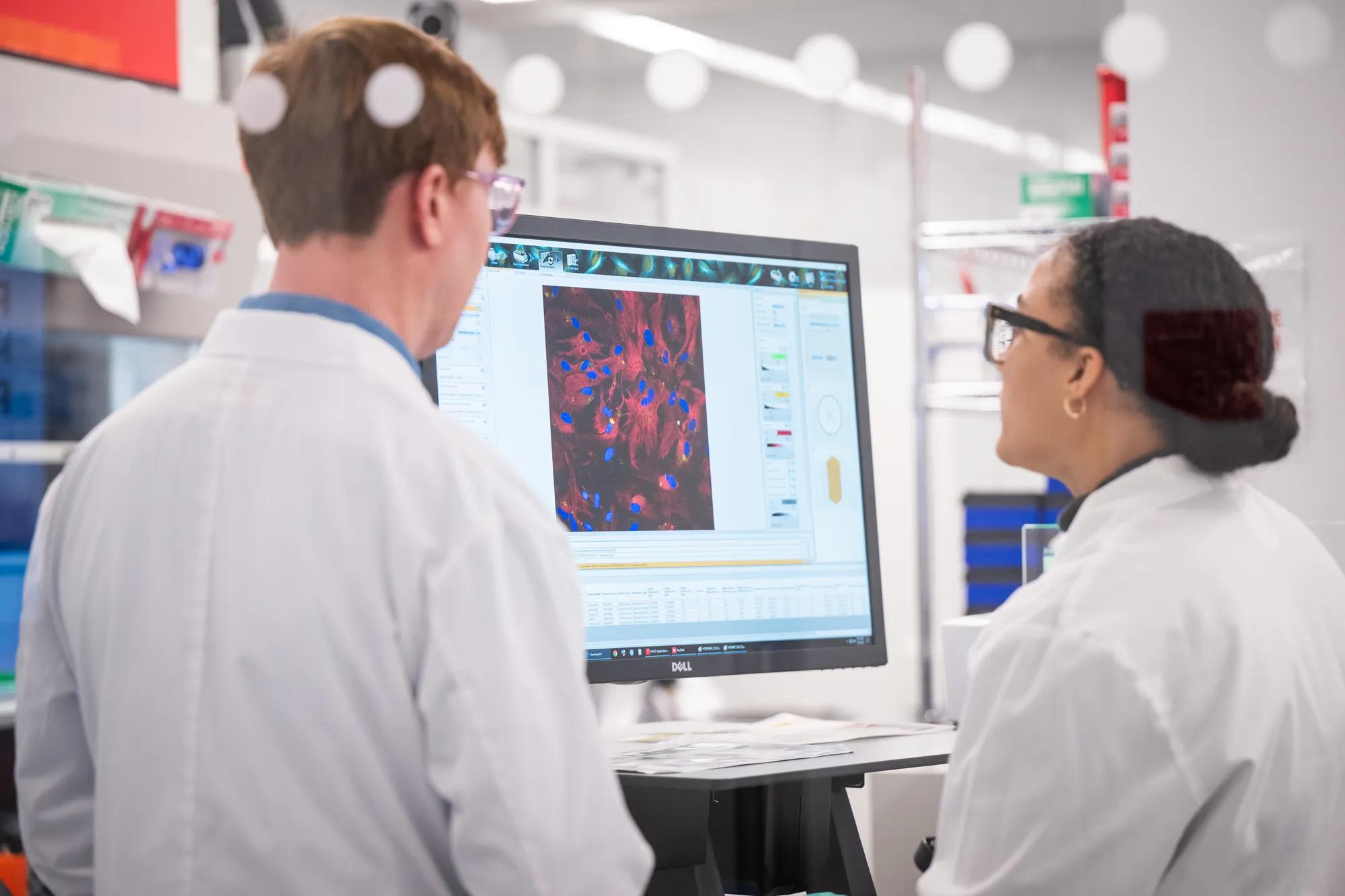
Parkinson’s disease presents one of the most complex challenges in neuroscience. While genetic risk factors have been identified, most cases are not inherited. The disease likely begins years—if not decades—before symptoms appear, yet definitive biomarkers for early detection remain elusive.
Researchers from The Jackson Laboratory New York Stem Cell Foundation Collaborative are advancing a precision approach to Parkinson’s by integrating genetically precise mouse models, patient-derived human stem cell systems and AI-driven data science. Through the JAX Translational Modeling Platform, discoveries are evaluated across complementary systems in parallel—reducing translational risk and strengthening confidence before clinical trials. This coordinated framework of accelerates understanding of disease initiation, progression and therapeutic response. Rather than testing ideas sequentially, JAX scientists evaluate discoveries across platforms simultaneously—building confidence before therapies move toward patients.
Stem cell–based neuron replacement therapies are now entering Phase III clinical trials. Early results suggest safety and dopamine restoration in subsets of patients. But replacing neurons after symptoms emerge may be too late. The future depends on earlier detection, more precise modeling of disease initiation, and tools that increase confidence before clinical translation.
Support Parkinson's disease research
Your gift helps JAX scientists uncover the biological changes that drive Parkinson's disease, advancing discoveries that improve diagnosis, treatment and quality of life.
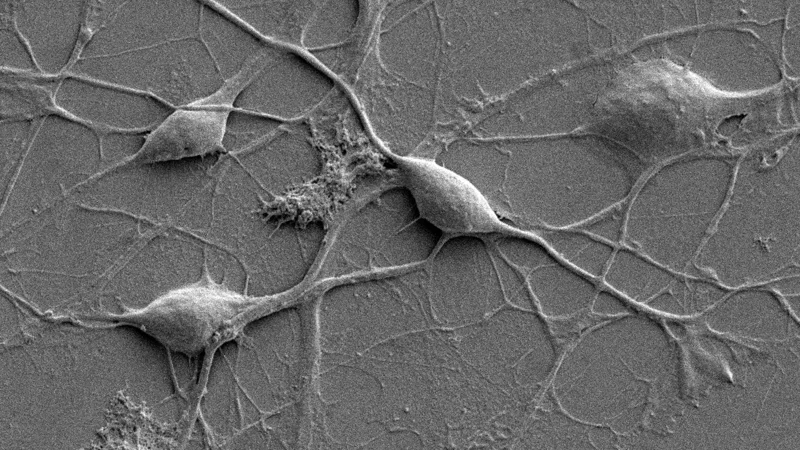
This new initiative seeks to create a scalable model for identifying and treating root causes of Parkinson’s disease, which affects more than 8 million people and has no cure.
View more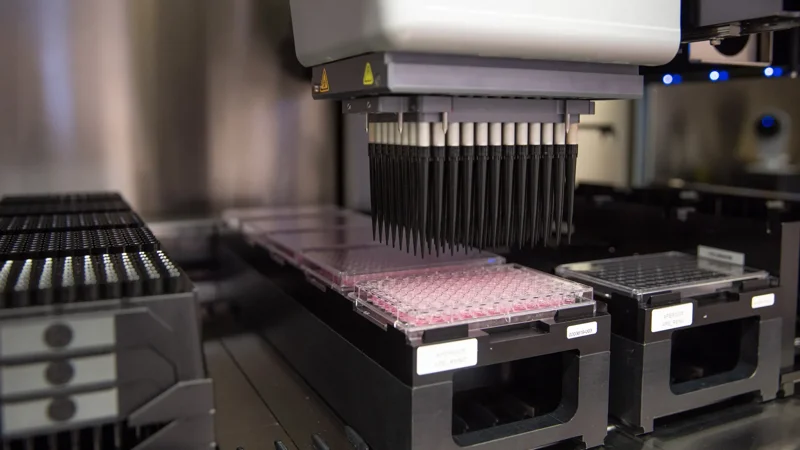
In the JAX-NYSCF Collaborative, researchers are studying the actual human brain cells implicated in Parkinson's disease in order to develop novel treatments.