
Ovarian cancer is a group of diseases that start in the ovaries and can also begin in nearby areas like the fallopian tubes or the peritoneum (the lining of the abdomen and pelvis). It develops when abnormal cells grow and divide out of control. Over time, these cells can spread and damage healthy tissue, interfering with normal function in the body.
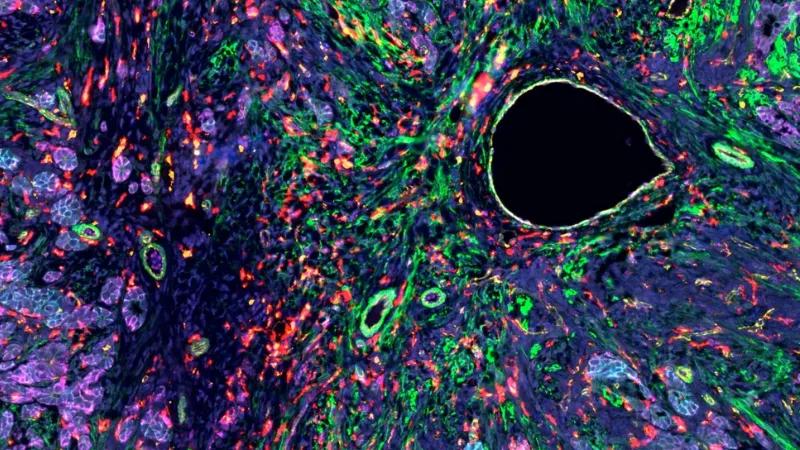
Ovarian cancer is a group of cancers that begin in the ovaries, fallopian tubes or surrounding tissues of the reproductive system. The disease develops when abnormal cells grow uncontrollably and form tumors that can spread to other parts of the body. Ovarian cancer is known to be difficult to treat because tumors can vary widely in how they behave and respond to therapy even within the same patient. While some types are more common, others are very rare and may require specialized treatment approaches.
The most common type is adenocarcinoma, and within that group, the most common subtype is serous adenocarcinoma. Most serous adenocarcinomas are high-grade, meaning they tend to grow and spread more aggressively, according to the CDC. Less common ovarian tumor types include ovarian germ cell tumors and ovarian low malignant potential tumors. The risk of developing these cancers increases with age, with most cases occurring after menopause. By the time it is diagnosed, ovarian cancer has often already spread to distant tissues.
Ovarian cancer is often difficult to detect early because symptoms may be mild, vague or mistaken for more common conditions. Early symptoms may include abdominal bloating, pelvic or abdominal pain and feeling full quickly or having a reduced appetite. Because these symptoms can be subtle and easily mistaken for menstrual or other common issues, many cases are diagnosed only after the disease has progressed.
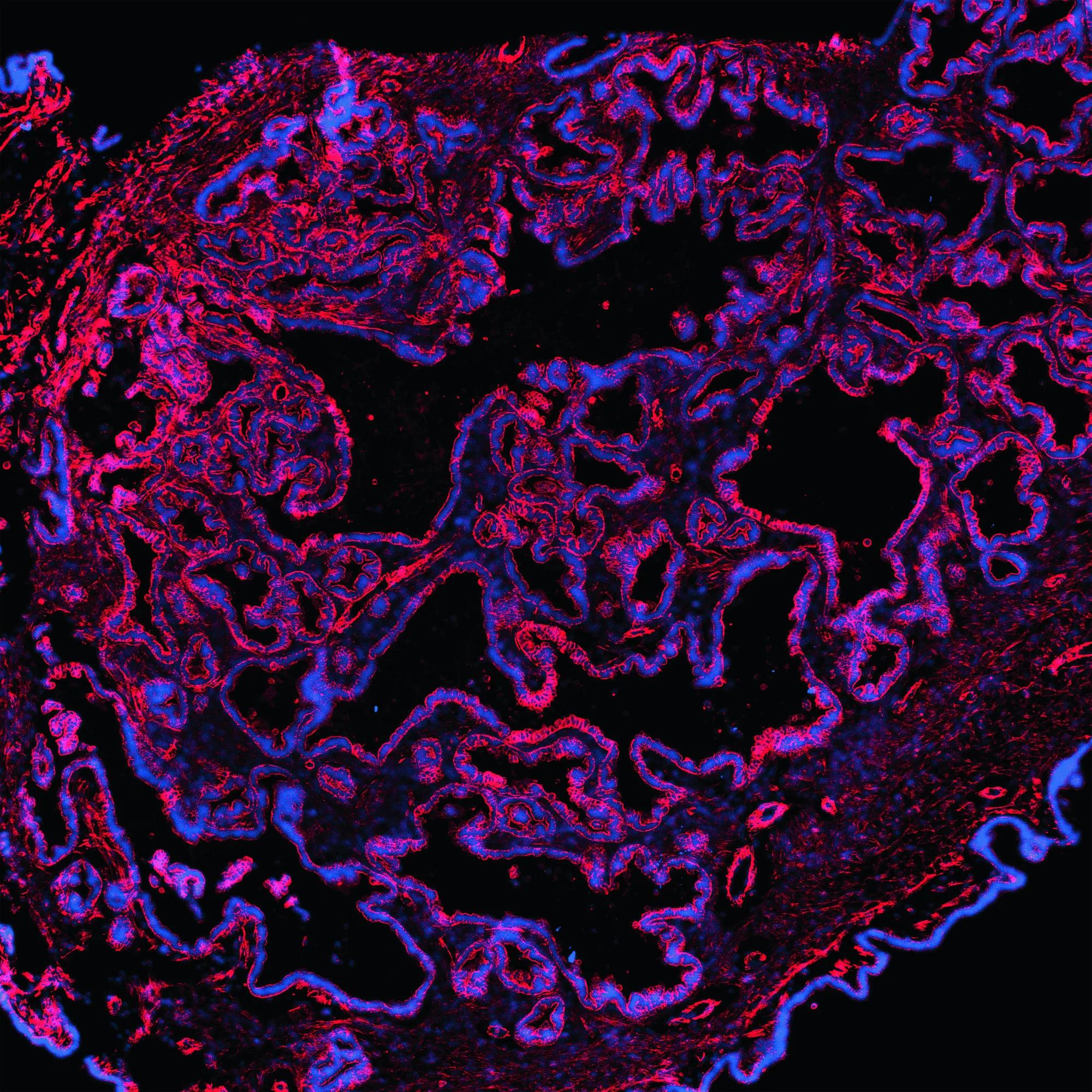
JAX senior research scientist Francesca Menghi and JAX Professor and President Emeritus Edison Liu are studying cancer genomes to better understand breast and ovarian cancers. Their work, based on sequencing and analyzing the DNA and RNA of thousands of tumors, has revealed that a chemical DNA tag called a methyl group can silence the BRCA1 gene, which is one of the body’s key tumor-suppressor genes associated with breast and ovarian cancer.
Their work may help lead to new testing methods that use methylation signatures as biomarkers, going beyond traditional BRCA1 mutation screening.
At the JAX-NYSCF Collaborative, senior research scientist Laura Andres-Martin has developed a living biobank of patient-specific “mini-tumors,” or organoids. These lab-grown models mimic real ovarian tumors and keep the same genetic mutations as a patient’s cancer. They allow researchers to study how ovarian cancer develops and how it might respond to different treatments in a more realistic way.
Support cancer research
Your gift fuels discoveries that reveal cancer's genetic roots, accelerating more precise detection, better treatments and new hope for patients facing one of the world's most complex diseases.
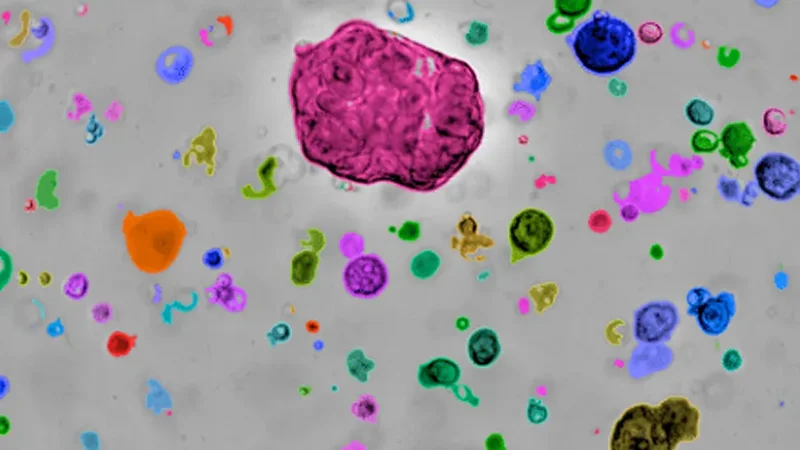
By recreating patient tumors in the lab, one JAX-NYSCF researcher is uncovering how ovarian cancer evolves and how it might be more effectively treated.
View more
Researchers from The Jackson Laboratory are investigating how a lesser-known aspect of the breast cancer gene BRCA1 impacts disease risk and severity
View more