
Also known as type 2 diabetes mellitus, the disease occurs when the body cannot effectively use insulin, leading to high blood sugar (glucose) levels. The disease is driven by the body’s inability to effectively use insulin—a hormone that regulates blood sugar—combined with a gradual decline in insulin production. Over time, elevated blood glucose levels damage blood vessels and organs, increasing the risk of heart disease, kidney failure, vision loss and nerve damage. While medications and lifestyle changes can help manage the disease, there is no cure and many patients struggle to maintain long-term control.
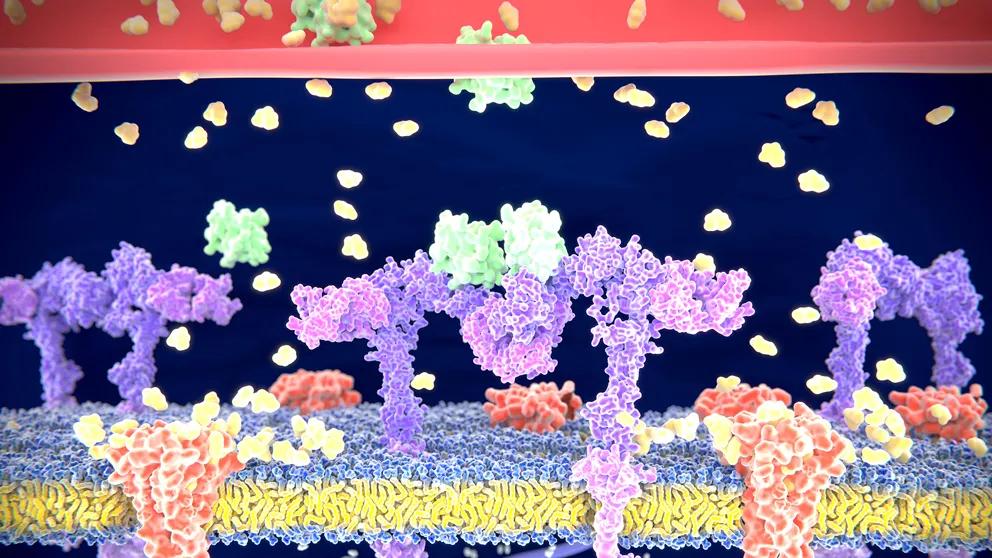
Type 2 diabetes is a condition in which the body becomes resistant to insulin or does not produce enough insulin, resulting in elevated blood glucose levels. Insulin allows cells to absorb glucose from the bloodstream and use it for energy. When this process is impaired, glucose builds up in the blood, leading to chronic hyperglycemia.
Type 2 diabetes is the most common form of diabetes and is often linked to a combination of genetic risk and lifestyle factors.
The disease develops over time and is influenced by a complex interplay of genetics, environment and lifestyle. While often associated with obesity, type 2 diabetes can affect individuals across a wide range of body types and backgrounds. Beyond blood sugar, type 2 diabetes is a systemic condition that impacts multiple organ systems, including the heart, kidneys, eyes and nervous system.
Sources: CDC, Journal of the American Medical Association News
Type 1 and type 2 diabetes both affect how the body regulates blood sugar, but they have different causes. Type 1 diabetes is an autoimmune disease in which the immune system destroys insulin-producing cells in the pancreas, leaving the body unable to make insulin. People with type 1 diabetes require lifelong insulin therapy.
Type 2 diabetes develops when the body becomes resistant to insulin or cannot produce enough insulin to maintain healthy blood sugar levels. It is influenced by genetic, lifestyle and environmental factors and often develops gradually over time. Type 2 diabetes often develops gradually, with subtle or no symptoms in its early stages. Many individuals remain undiagnosed until complications begin to emerge. Common symptoms of type 2 diabetes may include increased thirst, frequent urination, fatigue, blurred vision and slow-healing wounds. However, many people experience few or no symptoms in the early stages.

JAX Professor Michael Stitzel leads a research program at The Jackson Laboratory focused on understanding how genetic and cellular variation contributes to type 2 diabetes and pancreatic islet dysfunction. His work explores how changes in the non-coding regions of the genome—the regulatory DNA sequences that control when and where genes are active—can influence diabetes risk and beta cell function. Using advanced genomics, single-cell sequencing and functional genetic approaches, the Stitzel Lab studies how diabetes-associated genetic variants affect pancreatic islet cells, including insulin-producing beta cells. His team has helped identify regulatory DNA elements and genes linked to type 2 diabetes risk, while also mapping how different islet cell types respond to metabolic stress and inflammation.
Support diabetes research
Your gift supports the scientists working to uncover the complex biology behind type 2 diabetes, accelerating discoveries that improve prevention, treatment and long-term health.

Dozens of unexpected genes are strongly linked to type 2 diabetes, new research from The Jackson Laboratory (JAX) shows.
View more
Michael Stitzel, Ph.D., is advancing the understanding of Type 2 diabetes and its risk identifiers, which now include dysfunction in the powerhouse of the cell, the mitochondria.
View more
JAX researcher Michael Stitzel, Ph.D., studies genetic mechanisms affecting islet cell function and insulin resistance in type 2 diabetes. Funded by a $3.15M NIH grant, his research aims to identify new therapeutic targets to prevent and treat the disease.
View more