
The disease develops when abnormal cells in the breast grow uncontrollably, forming tumors that can invade nearby tissues and spread to other parts of the body. While advances in screening, targeted therapies and precision medicine have improved outcomes for many patients, breast cancer remains a leading cause of cancer-related death worldwide.
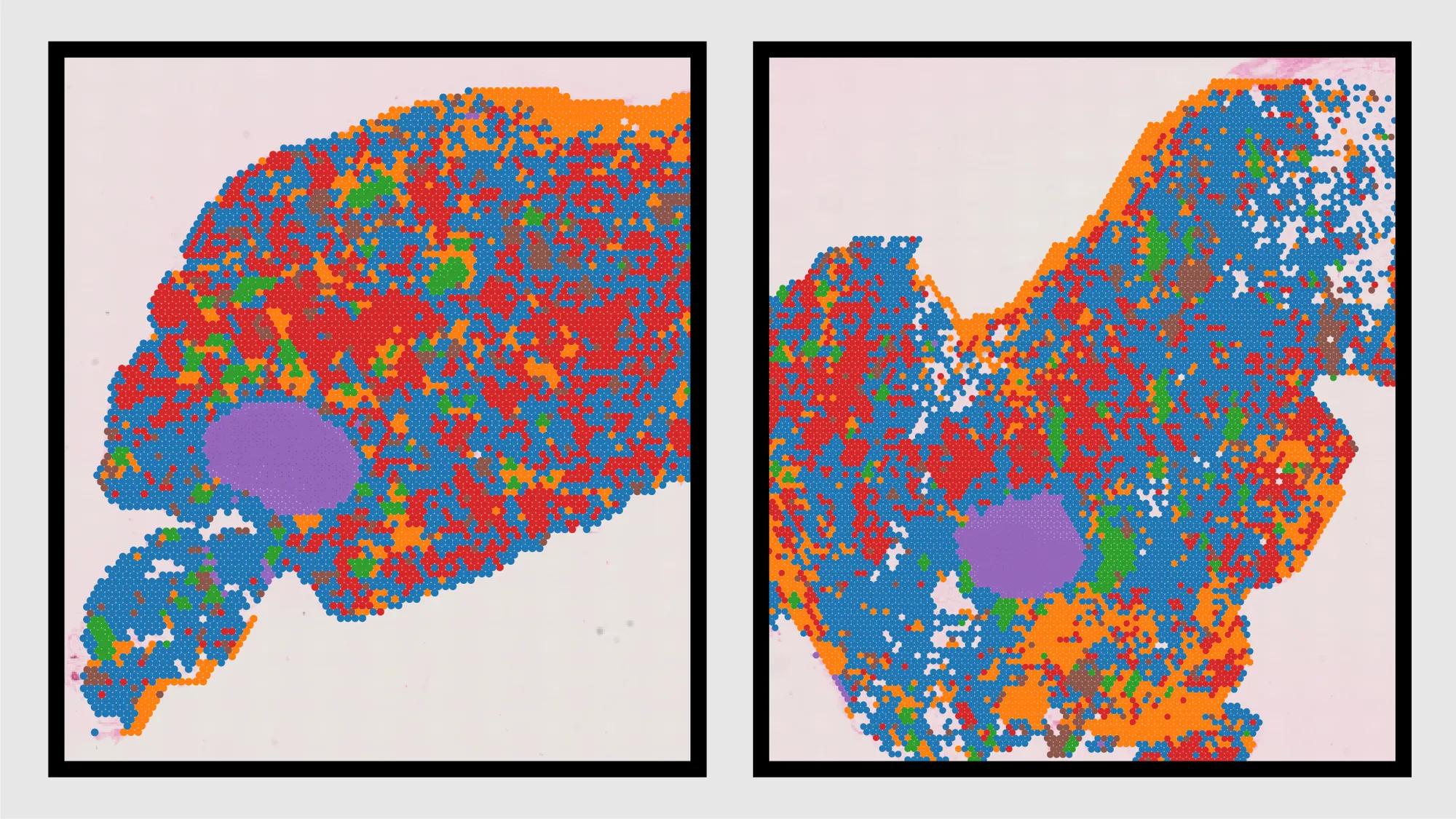
Breast cancer begins when cells in the breast acquire genetic or molecular changes that disrupt normal growth controls. Over time, these abnormal cells can multiply uncontrollably and form tumors. Breast cancer most commonly originates in the milk ducts or lobules of the breast, but it can spread into surrounding tissues and metastasize to distant organs such as the bones, liver, lungs or brain.
Breast cancer is not a single disease. It includes multiple subtypes that differ in their genetics, biology and response to treatment. Some forms grow slowly, while others—such as triple-negative breast cancer—can be especially aggressive and difficult to treat. Risk is influenced by a combination of age, genetics, hormones, environmental exposures and lifestyle factors. Researchers are increasingly recognizing that aging-related changes in tissues and the immune system may also play an important role in disease development and progression.
Research increasingly shows that the biological changes underlying breast cancer can begin years before tumors are clinically detectable, underscoring the need for earlier detection, better risk prediction and more precise therapeutic strategies.
Sources: American Cancer Society, National Cancer Institute, CDC, World Health Organization, Johns Hopkins Medicine
Breast cancer is highly heterogeneous, meaning tumors can vary widely in their molecular characteristics, growth patterns and response to therapy—even among patients with the same subtype. Some tumors grow slowly and remain localized for years, while others spread rapidly or evolve resistance to treatment.
Early-stage breast cancer may not cause noticeable symptoms and aggressive forms such as triple-negative breast cancer can progress quickly between routine screenings. Advancing earlier detection, improving risk prediction and understanding how tumors evolve over time remain among the most important challenges in breast cancer research.
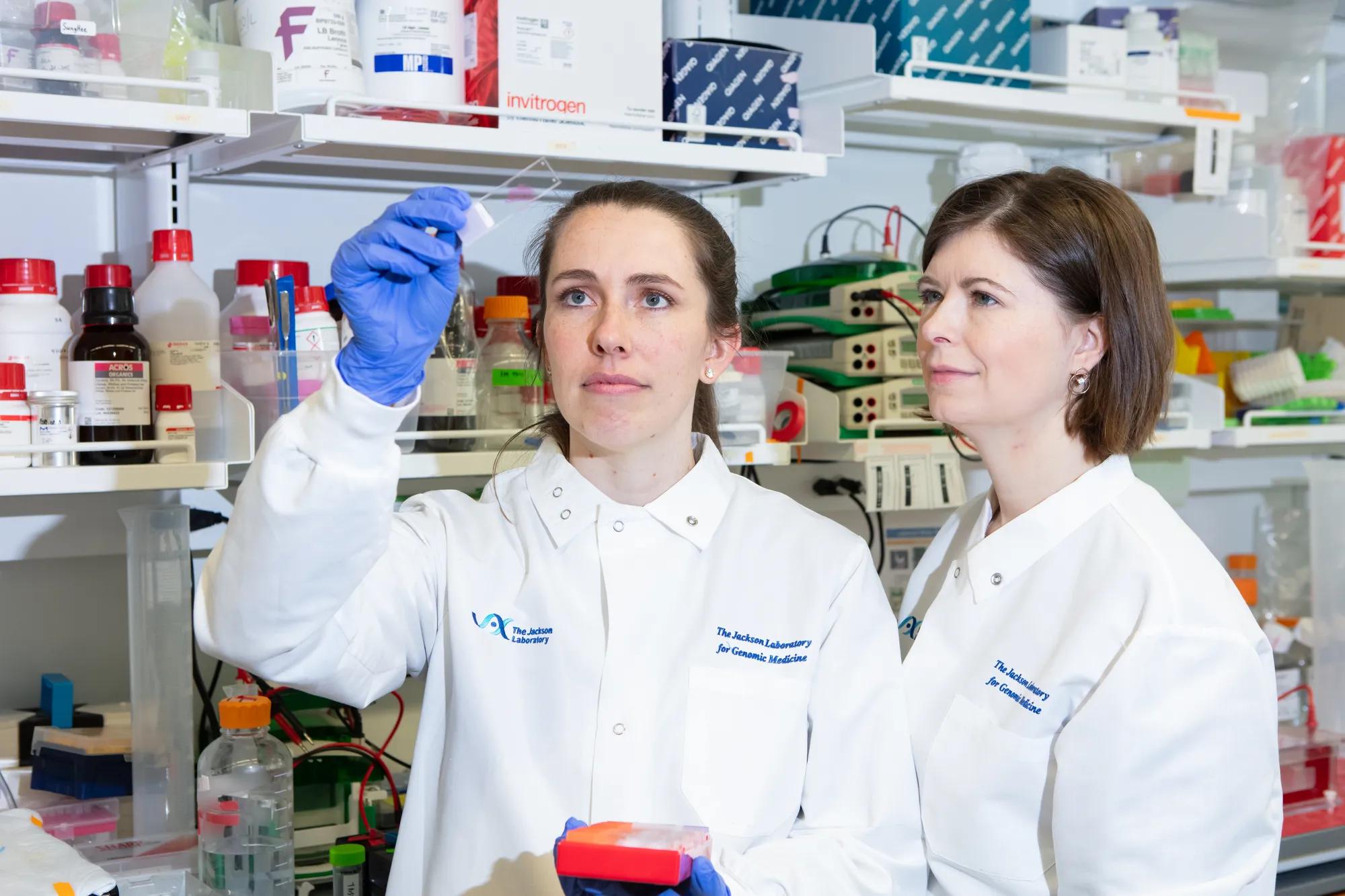
JAX senior research scientist Francesca Menghi is studying breast cancer genomes to better understand how genetic and epigenetic changes drive aggressive cancers such as triple-negative breast cancer. Their work has shown that a chemical DNA tag called methylation can silence the BRCA1 tumor suppressor gene—even in patients without inherited BRCA1 mutations—potentially creating new opportunities for earlier risk detection and more personalized treatment strategies.
JAX Associate Professor Olga Anczuków-Camarda studies how errors in RNA splicing—the process cells use to edit genetic instructions before proteins are made—contribute to breast cancer development and metastasis. Her research focuses on how splicing alterations help tumors grow, spread and resist treatment, with the goal of identifying new therapeutic targets for aggressive breast cancers.
JAX researchers are also investigating how aging influences breast cancer risk and progression. Through the Genetic and Aging Influences on Neoplastic Susceptibility (GAINS) initiative, JAX scientists are studying how aging changes tissues, immune responses, and tumor development over time. By integrating genomics, computational biology and translational disease models, JAX researchers are working to uncover earlier biomarkers of disease and identify new therapeutic vulnerabilities in breast cancer.
The future of breast cancer research depends on detecting disease earlier, understanding how tumors evolve over time and identifying which patients are most likely to respond to specific therapies. Researchers are increasingly recognizing that inherited mutations alone do not explain the full complexity of breast cancer risk or progression.
At JAX, scientists are combining genomics, epigenetics, aging biology, AI-driven analysis and translational disease modeling to build a more precise understanding of how breast cancer develops and spreads. As breast cancer research moves toward more personalized and predictive approaches, JAX researchers are working to uncover the molecular mechanisms that drive aggressive disease and translate those discoveries into better diagnostics and treatments for patients.
Support cancer research
Your gift fuels discoveries that reveal cancer's genetic roots, accelerating more precise detection, better treatments and new hope for patients facing one of the world's most complex diseases.
JAX researchers create a landmark atlas revealing how breast tissue changes with age and how those changes may shape the risk of breast cancer.
View more
By uncovering the biological mechanisms that allow metastasis to take hold, JAX researchers are laying the groundwork for future treatments that could make a real difference for patients.

Researchers from The Jackson Laboratory are investigating how a lesser-known aspect of the breast cancer gene BRCA1 impacts disease risk and severity
View more