Aging is a universal human experience, and the single greatest risk factor for many of today’s most serious diseases, including cancer, Alzheimer’s disease, diabetes, and cardiovascular disease. Advances in aging research hold the promise not only of preventing disease, but of transforming how we approach health across the entire lifespan.
At JAX, researchers study aging as a biological process to uncover the mechanisms that drive resilience or decline and identify strategies to extend healthspan — the years of life spent in good health.
For decades, JAX has been at the forefront of discovering how genetics and biology influence aging and age-related disease. JAX is home to nationally funded aging research programs and powerful partnerships that bridge basic discovery and human health. Today, JAX is helping define the future of precision geroscience.
for Alzheimer’s disease, cancer, and most chronic conditions
Americans are aged 65 or older
people turn 65 every day
older adults projected in the U.S. by 2050
From genes and molecules to whole organisms, JAX scientists are uncovering the biology of aging. We use advanced genetic tools, mouse and cell models, and cutting-edge technologies to understand why some individuals remain healthier longer while others experience decline. Our goal: to extend healthspan and drive new approaches to prevent and treat age-related diseases like cancer, Alzheimer’s disease, and cardiovascular disease.

“JAX brings unmatched scale and genetic diversity to the study of aging. This combination allows us to rigorously test interventions and understand what truly improves healthspan and lifespan across individuals. These strengths make JAX a leading hub for aging research."
– Ron Korstanje, Ph.D. | JAX Professor, Evnin Family Chair
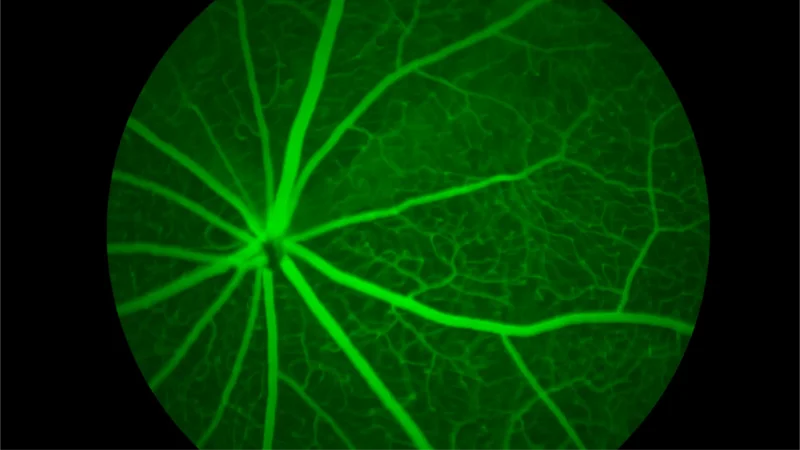
JAX researchers used mice with nine different genetic backgrounds to identify factors influencing eye aging, paving the way for eye-based diagnostics for neurodegenerative diseases
View more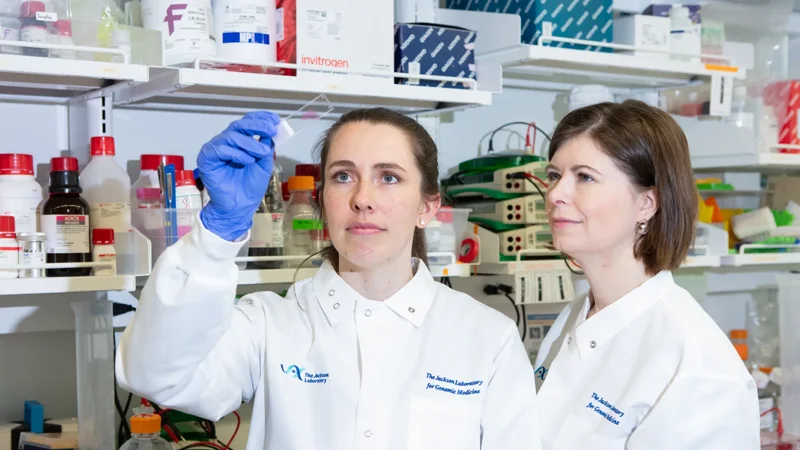
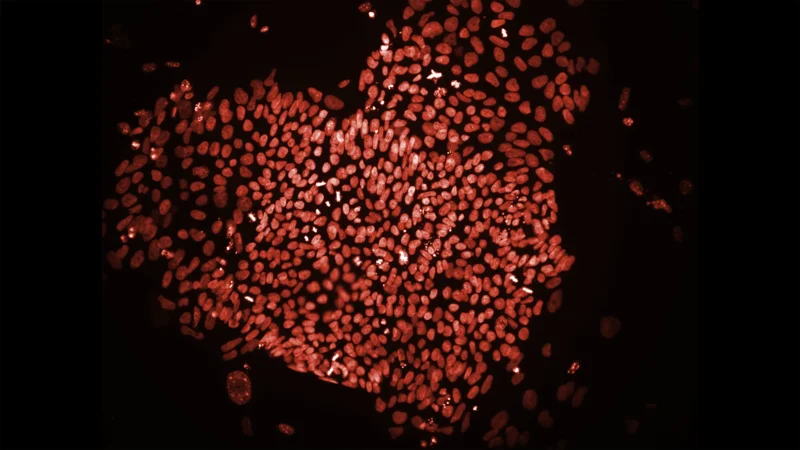
JAX researchers create a landmark atlas revealing how breast tissue changes with age and how those changes may shape the risk of breast cancer.
View more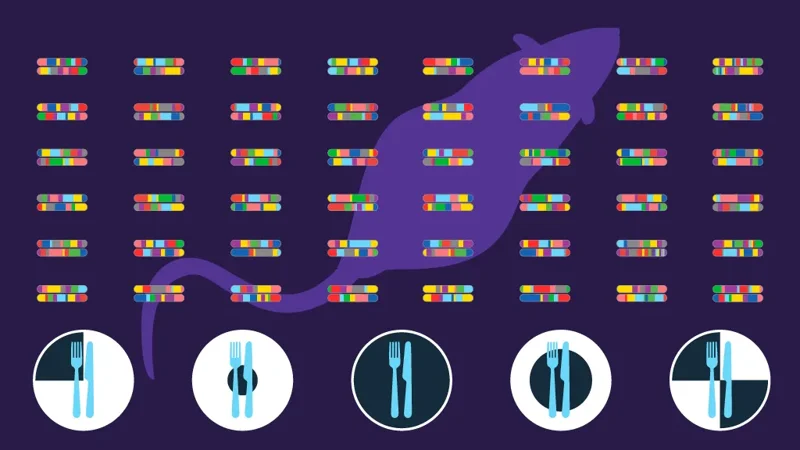
Researchers at The Jackson Laboratory conduct pivotal study into aging and lifespan to uncover new details about how diets might make people live longer — but also their negative side effects.
View more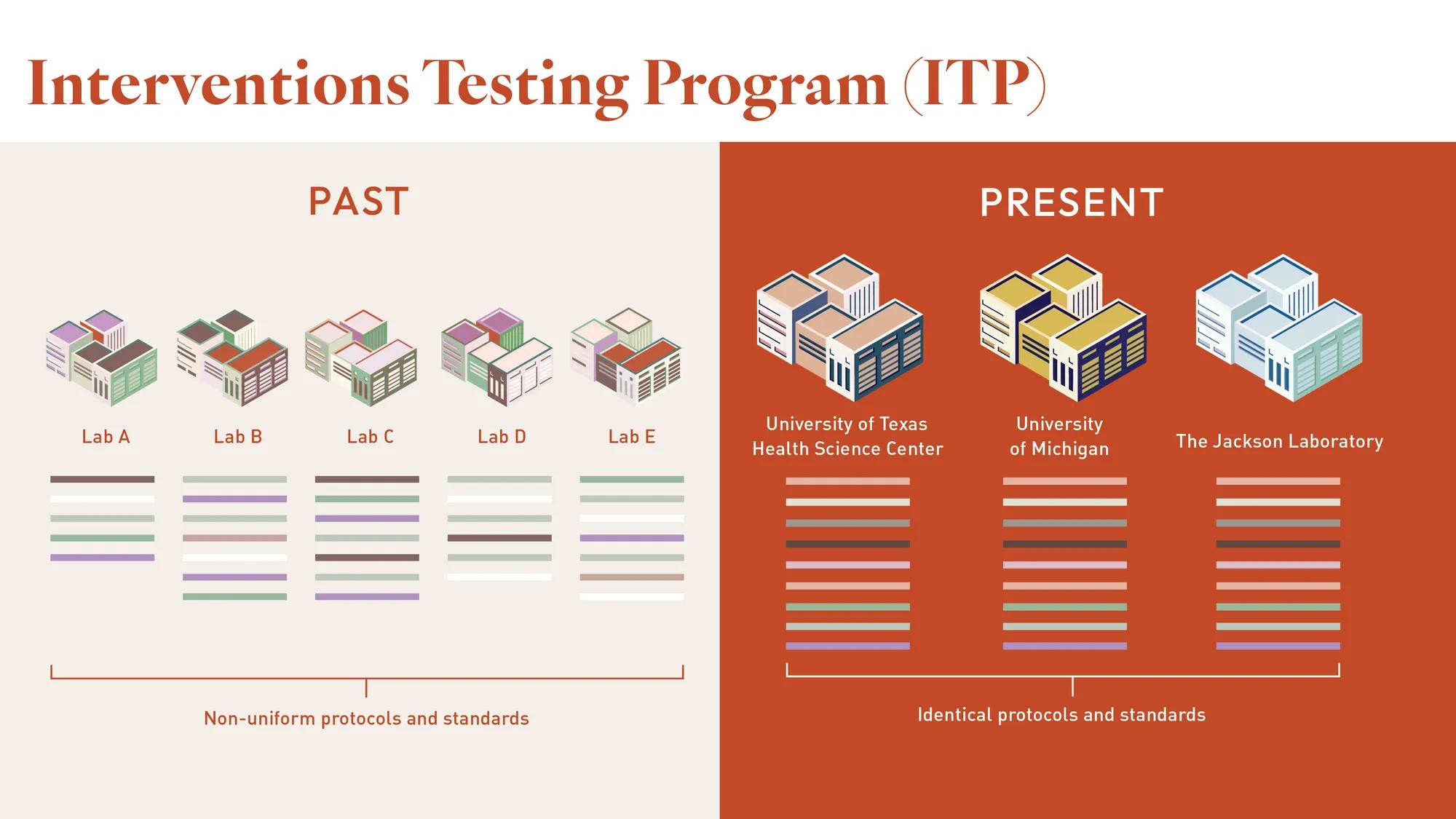
Scientists in the Interventions Testing Program (ITP) are searching for ways to extend healthy lifespan. From different foods to hormones to new drug treatments, there are a lot of ways to help people live longer. But determining what truly works requires careful, long-term testing. ITP studies are performed simultaneously at three sites (The Jackson Laboratory, University of Michigan, University of Texas Health Sciences Center) under standardized conditions and with genetically diverse mice to mimic the human population. It’s considered the “gold standard” of interventions testing.
Support aging research at JAX
Your support helps JAX scientists build a future where living longer also means living healthier.

The JAX Center for Aging Research's long-term goal is to build a better understanding of the molecular mechanisms at work in lifespan and health span.
View more
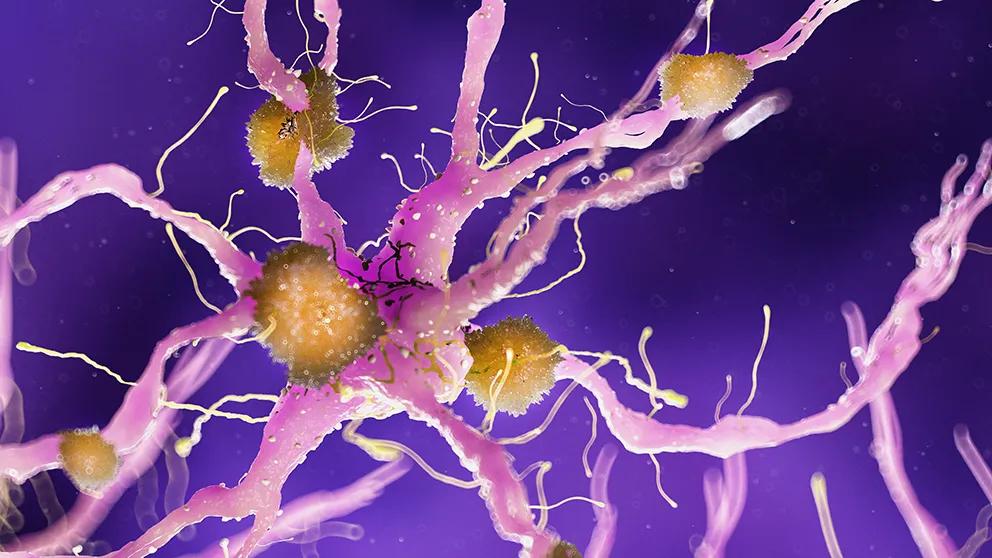
To understand disease mechanisms and ultimately develop effective therapies for AD, it is essential we apply state-of-the-art approaches to generate the next generation of more predictive animal models and make these models widely available…
View more
The mission of the JAX Cancer Center is to discover precise genomic solutions for cancer by making basic discoveries with human impact.
View moreAnalysis of lifespan across diversity outbred mouse studies identifies multiple longevity-associated loci. Genetics (2025).
Dietary restriction impacts health and lifespan of genetically diverse mice. Nature (2024).
Comprehensive single-cell aging atlas of healthy mammary tissues reveals shared epigenomic and transcriptomic signatures of aging and cancer. Nature Aging (2024).
On the benefits of the tryptophan metabolite 3-hydroxyanthranilic acid in Caenorhabditis elegans and mouse aging. Nature Communications (2023).

JAX research extends far beyond any single disease area. Just a few of the diseases and disorders being researched at JAX are:

Training program in Precision Genetics of Aging and Dementia (PGAD) offering advanced training for graduate and postdoctoral researchers at JAX.
View more
The Jackson Laboratory offers programs designed to advance your research and understanding of Alzheimer's disease and aging through expert-led training.
View more