
Lung cancer is one of the most common forms of cancer and is mainly divided into two types: non-small cell lung cancer and small cell lung cancer. According to the National Cancer Institute, smoking is the leading cause of most lung cancers, although people who have never smoked can also develop the disease. In the United States, it claims more lives each year than colorectal, breast and prostate cancers combined.
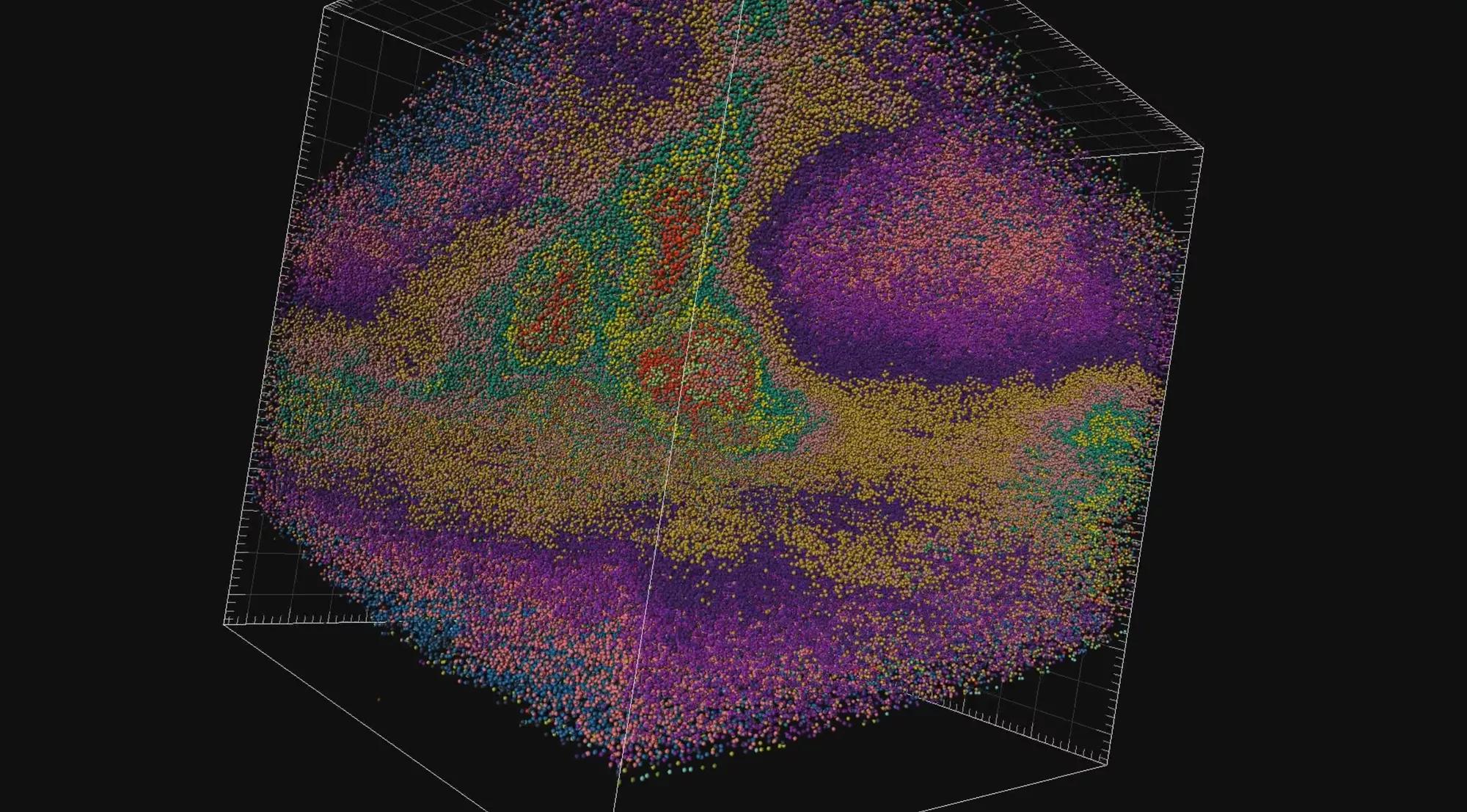
Lung cancer starts in the lungs and can spread to nearby lymph nodes or other parts of the body, including the brain. It remains a major global public health challenge because of how common and deadly it is. Non-small cell lung cancer, which includes adenocarcinoma, squamous cell carcinoma and large cell carcinoma, is more common than small cell lung cancer, according to the CDC. These of cancers types grow differently and often require different treatment approaches.
Sources: World Health Organization, CDC
Lung cancer develops when abnormal cells in the lungs grow uncontrollably. Common symptoms can include a persistent cough, chest pain, shortness of breath, coughing up blood, fatigue, unexplained weight loss and recurring lung infections. Early symptoms are often mild and may be mistaken for common respiratory illnesses, which can delay diagnosis.
Lung cancer is diagnosed using imaging tests, tissue biopsies and molecular analysis to determine the type and stage of disease. Treatment options depend on the subtype, stage and a patient’s overall health. Treatment options often depend on a person’s medical history and how advanced the cancer is at the time of diagnosis. According to the World Health Organization, the two main types are non-small cell lung cancer (NSCLC), which makes up about 85% of cases, and small cell lung cancer (SCLC), which is less common but usually more aggressive.
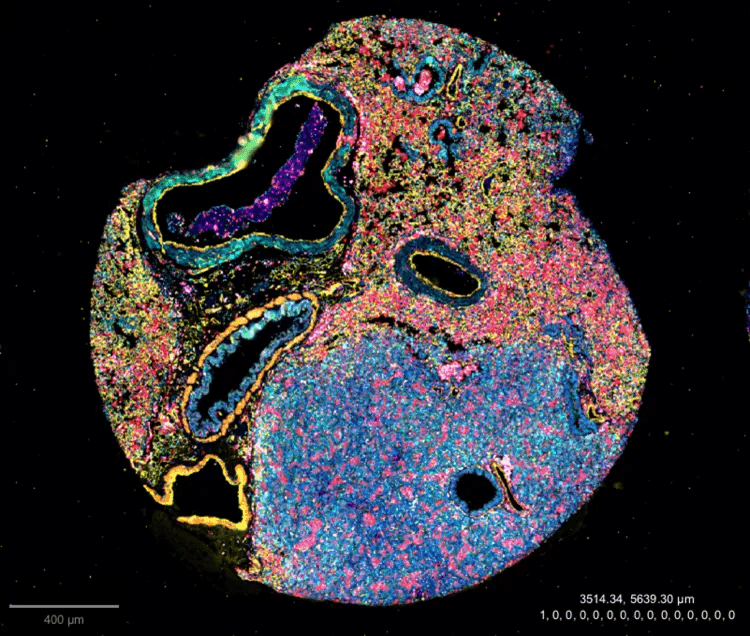
JAX researchers are studying how aging, genetics and the immune system influence the development of lung cancer. Through the Genetic and Aging Influences on Neoplastic Susceptibility (GAINS) initiative, scientists are investigating why cancer risk increases with age and how genetic background shapes tumor formation and progression.
JAX Professor Karolina Palucka, director of the JAX Cancer Center and Edison T. Liu Endowed Chair in Cancer Research and JAX Professor and Donald A. Roux Endowed Chair Jeff Chuang are collaborating with the JAX Center for Aging Research and JAX Professor and Evnin Family Chair Ron Korstanje to study lung tumors that naturally develop in older mice to better understand how aging contributes to lung cancer.
Using advanced imaging and molecular profiling technologies to analyze proteins and RNA within tumors, the team is investigating how tumors form, how immune responses change with age and how age-related lung cancers in mice may resemble those found in humans.
By integrating aging biology, immunology and computational analysis, the researchers hope to uncover new mechanisms driving lung cancer susceptibility and identify insights that could support earlier detection and more personalized therapeutic strategies.
Support cancer research
Your gift fuels discoveries that reveal cancer's genetic roots, accelerating more precise detection, better treatments and new hope for patients facing one of the world's most complex diseases.
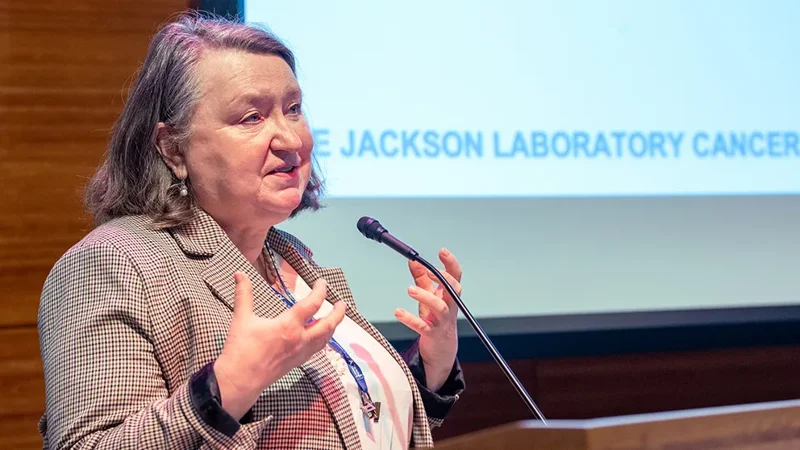
Researchers are studying how lung cells respond to viral infections and how aging-related changes affect immune function in the lungs.
View more
Karolina Palucka, a leader in cancer immunology and director of the JAX National Cancer Institute-designated Cancer Center, is at the forefront of this effort.