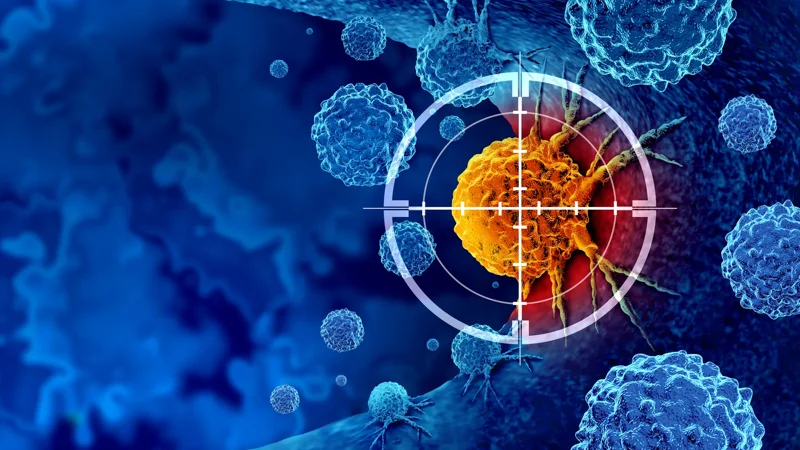
Cancer develops through a complex mix of genetic changes, environmental influences and age-related processes that alter how cells function and interact with the body around them. Cancer research saves the lives of over 100,000 people each year. Yet with increasing numbers of cases and deaths forecast up to 2050, cancer remains a major contributor to global disease burden—and some forms of the disease still have no effective therapies. Solving these challenges require boldness, deep expertise, innovation and collaboration. At JAX, our scientists are working to understand how aging influences cancer—one of the biggest challenges in cancer research today.
While advances in research have led to better therapies, many cancers remain difficult to cure because they can return or stop responding to treatment. A growing reason for this is that aging itself alters the way genes, the immune system and cells interact with cancer. JAX scientists are investigating these connections to develop new ways to prevent cancer before it starts and to create more effective treatments for those who need them.
of people diagnosed with cancer in the U.S. now survive five years or more
different types of cancer, each with distinct biological drivers
of cancer cases in the U.S. are linked to preventable risk factors such as smoking, obesity, and infections.
of all JAX faculty are members of the JAX Cancer Center
Sources: Cancer Statistics 2026, National Cancer Institute, American Cancer Society
The JAX Cancer Center is an NIH-designated Basic Cancer Center advancing research into the genetic, molecular, and aging-related mechanisms that drive cancer development and treatment resistance. By integrating genomics, computational biology, immunology and advanced research models, JAX scientists are transforming cancer research discoveries into more precise diagnostics, targeted treatments and better outcomes for patients and families.
Our goal is simple: to extend healthy lifespans and improve cancer care for people of all ages.

“Looking ahead, we are building toward a future where cancer treatments are more personal, more precise and more powerful. By continuing to collaborate across institutions and disciplines, we aim to transform our scientific insights into real world impact—bringing hope, innovation and new possibilities to patients who need them most.”
– Karolina Palucka, M.D., Ph.D. | Director, JAX Cancer Center; JAX Professor and Edison T. Liu Endowed Chair in Cancer Research
The research approach of the JAX Cancer Center is built on three key pillars: integrating mouse and human biology, using advanced models of aging and cancer and applying cutting-edge genomic technologies enhanced by computational analysis.
JAX cancer researchers are united in working on three aims:
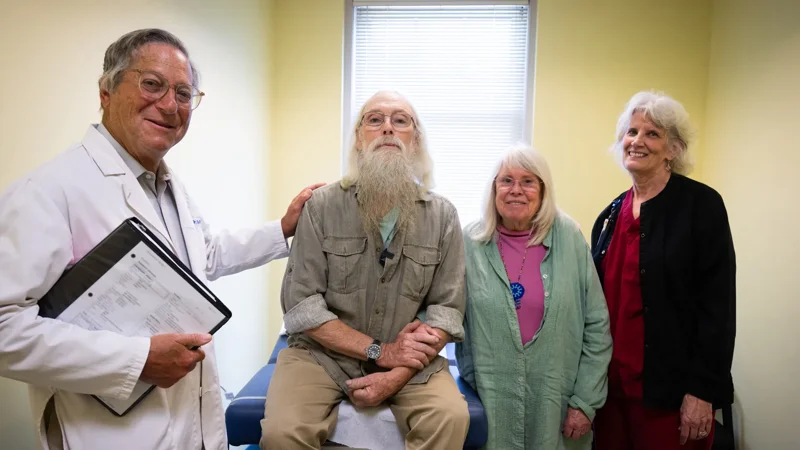
Diagnosed with stage four prostate cancer, Henry Grandgent expected a future of long hospital drives and distant specialists. Instead, the Maine Cancer Genomics Initiative (MCGI) brought world-class cancer care to his island community.
View more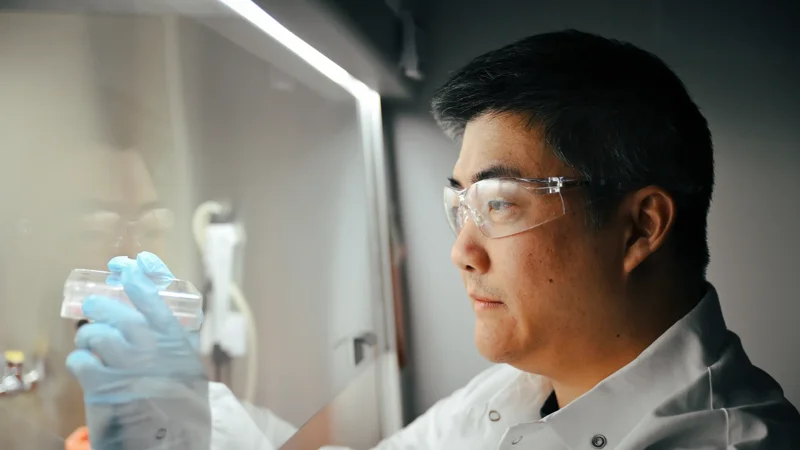
Researchers created a CRISPR-based tool to pinpoint genes the cancer turns off.
View more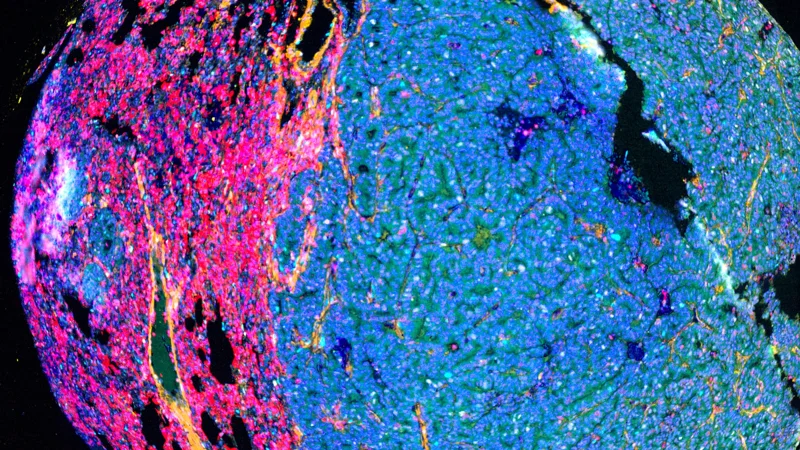
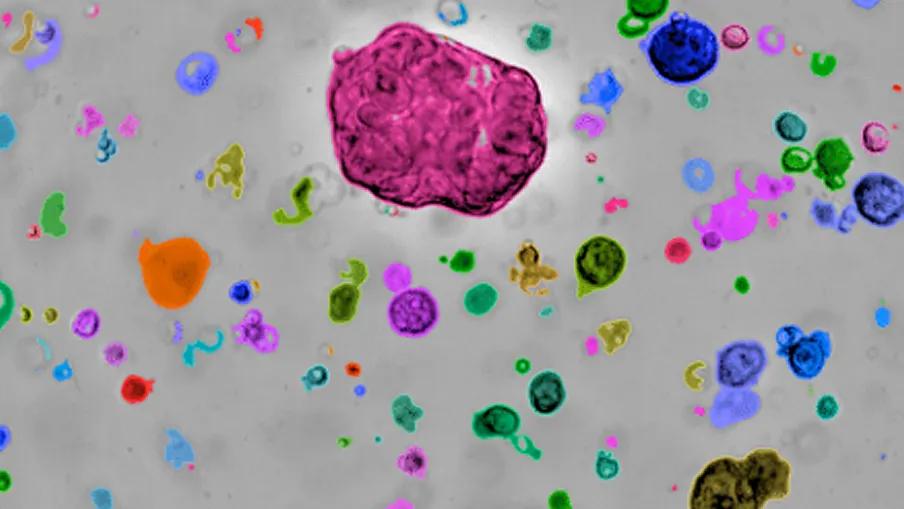
Tissue AI reveals not just where cancer cells are, but how they communicate, evolve, and shape their surroundings.
View moreWhen doctors diagnose a brain tumor, they often face a high-stakes mystery: Is it slow-growing and treatable or aggressive and deadly? In late 2024, doctors at MaineHealth faced this exact dilemma. A new patient, Roxanne Leet, was suspected to have a benign, slow-growing brain tumor, but genomic analysis predicted a different, more aggressive cancer type. By analyzing tumor DNA, RNA and methylation patterns, the JAX Advanced Precision Medicine Laboratory identified the correct cancer type providing information that helped the care team guide a more precise treatment plan.
Support cancer research
Your gift fuels discoveries that reveal cancer's genetic roots, accelerating more precise detection, better treatments and new hope for patients facing one of the world's most complex diseases.
The mission of the JAX Cancer Center is to discover precise genomic solutions for cancer by making basic discoveries with human impact.
View more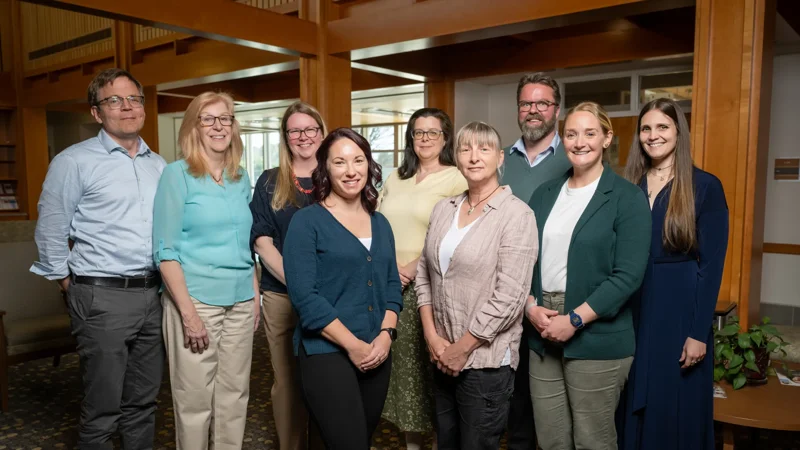
The Maine Cancer Genomics Initiative (MCGI) is an alliance of Maine oncology providers led by The Jackson Laboratory with funding from the Harold Alfond™ Foundation. Its primary goal is to reduce disparities in access to advanced technologies for cancer care and precision medicine.

The JAX Center for Aging Research's long-term goal is to build a better understanding of the molecular mechanisms at work in lifespan and health span.
View moreEpigenetic reactivation of the tumor suppressor ZBTB7A by KDM4 inhibition in human acute myeloid leukemia. Science Translational Medicine (2026).
Comprehensive single-cell aging atlas of healthy mammary tissues reveals shared epigenomic and transcriptomic signatures of aging and cancer. Nature Aging (2025).
PD-L1 is an intrinsic switch for natural killer cell-mediated, TRAIL-dependent antiviral function. Cell Reports (2026).
Clonal hematopoiesis in myeloid malignancies and solid tumors. Nature Cancer (2025).
Multicenter Histology Image Integration and Multiscale Deep Learning Support Machine Learning-Enabled Pediatric Sarcoma Classification. Cancer Research (2026).
CXCR4 induces memory formation over exhaustion in CAR-T cells to achieve durable leukemia targeting. Nature Communications (2026).
JAX research extends far beyond any single disease area. Learn more about just a few of the diseases and disorders being researched at JAX:
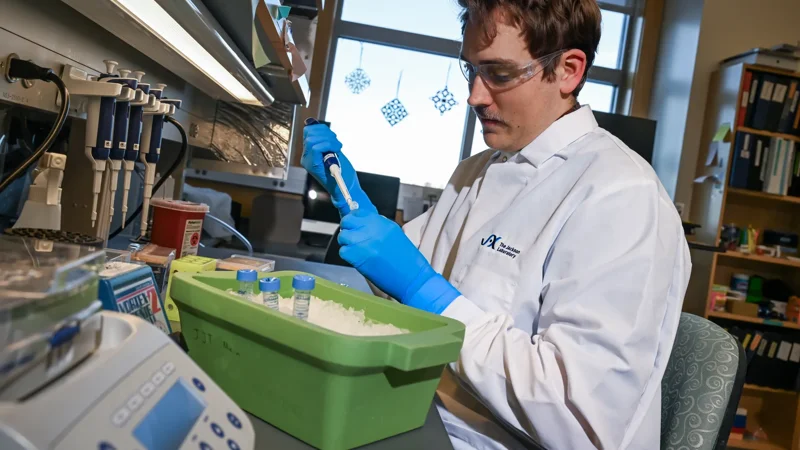
Advance your cancer research by developing deeper understanding and use of cancer research models through hands-on experiences and expert-led training.
A two-week virtual experience for undergraduate students to learn about foundational concepts and careers in cancer genomics.