One Maine carpenter’s journey through genomic cancer care.
Article | March 3, 2026
Diagnosed with stage four prostate cancer, Henry Grandgent expected a future of long hospital drives and distant specialists. Instead, the Maine Cancer Genomics Initiative (MCGI) brought world-class cancer care to his island community.
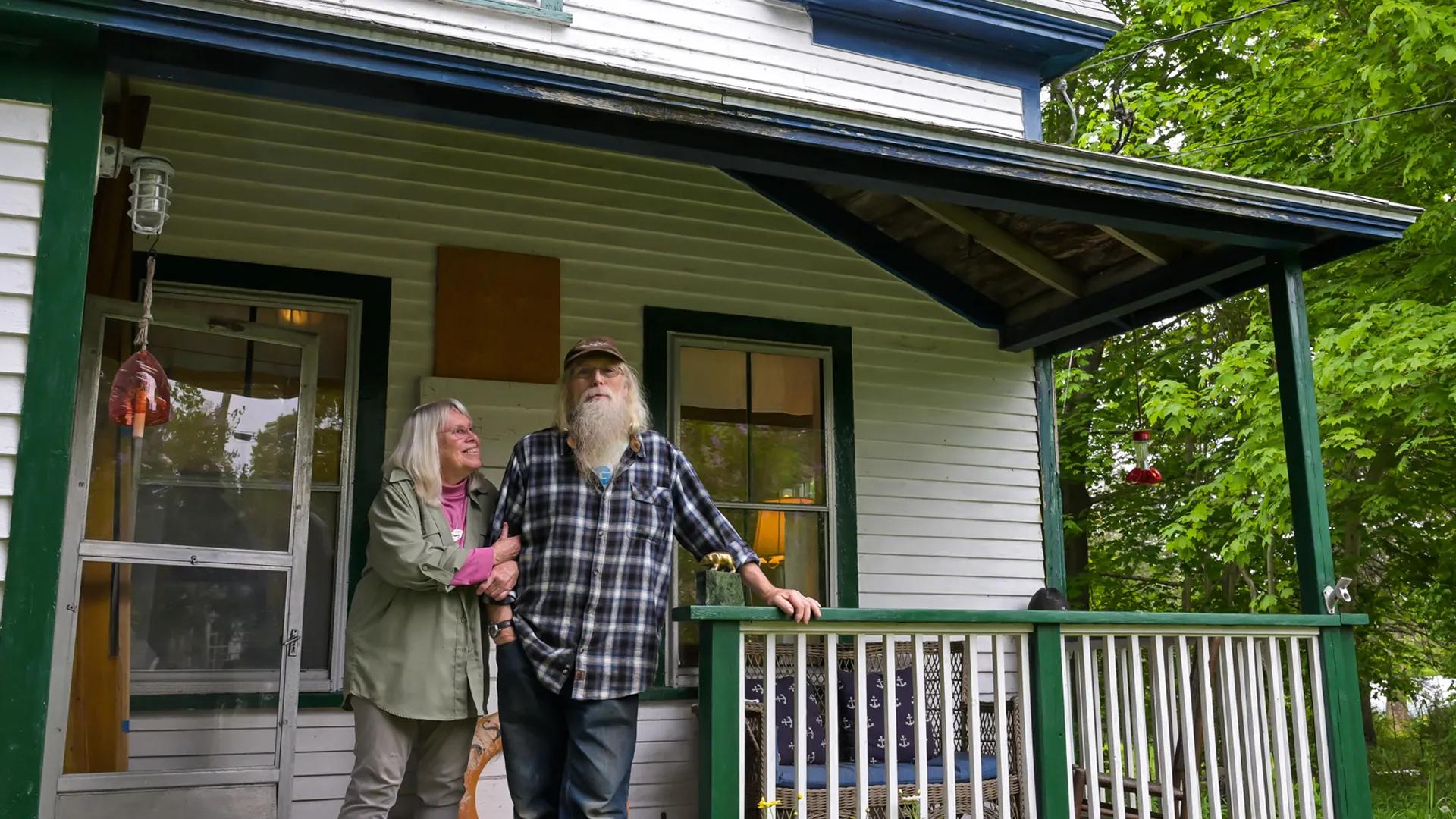
Henry Grandgent is happiest outdoors. He loves the rural life his home on Mount Desert Island, Maine, offers him. He rides a boat to work and loves to take his grandkids out on his friendship sloop in the summertime. For the last 50 years, he has worked as a carpenter on the island hamlet of Islesford, Maine, building and taking care of houses.
Transcript
“At age 70, I finally feel like, things break all the time around me, but by now, I have a clue of how to take something apart and put it back together,” said Henry. But when he went for a routine physical at his family doctor at the end of 2023, elevated levels in his bloodwork raised concerns.
A biopsy confirmed it: Henry had stage four prostate cancer and had probably had it for five years.
My mother had lung cancer, I had a great grandmother who probably had breast cancer. I had an uncle who had prostate cancer. You don't have to look far, and you can find any number of people, of friends or relatives, that have had cancer
Henry Grandgent
Celebrating 10 Years of MCGI
Built to scale. Empowering care teams. Personalized oncology without compromise.
Stage four cancer is also known as metastatic cancer. The most advanced stage, the moniker indicates that the disease has spread from its original site into other parts of the body. Prostate cancer is the most common cancer diagnosis among men in the U.S., accounting for 30% of male cancers in 2025, according to the American Cancer Society.
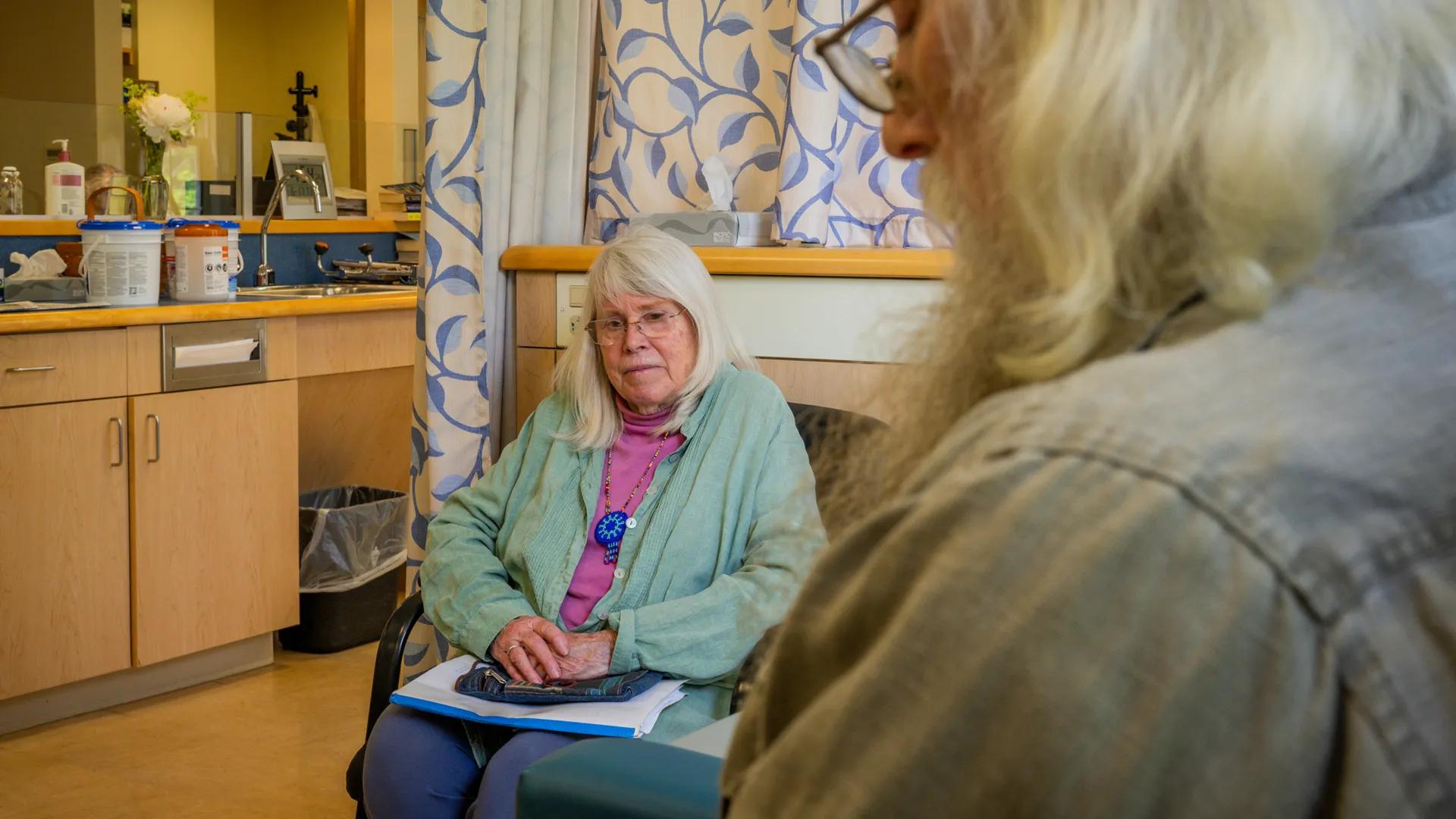
“It was terrifying at first,” said Gail Grandgent, Henry’s wife and caregiver. “I always go with him with a notebook and take notes of whatever the doctor says.”
Cutting-edge care close to home
For a patient like Henry, accessing cutting-edge care would typically require going to a major academic medical center—hours away in a major city. These large academic medical centers have access to testing for their patients, plus they have experts that are plugged into the latest research and clinical trials. For the Grandgents that would have meant traveling to Boston five hours each way for every treatment.
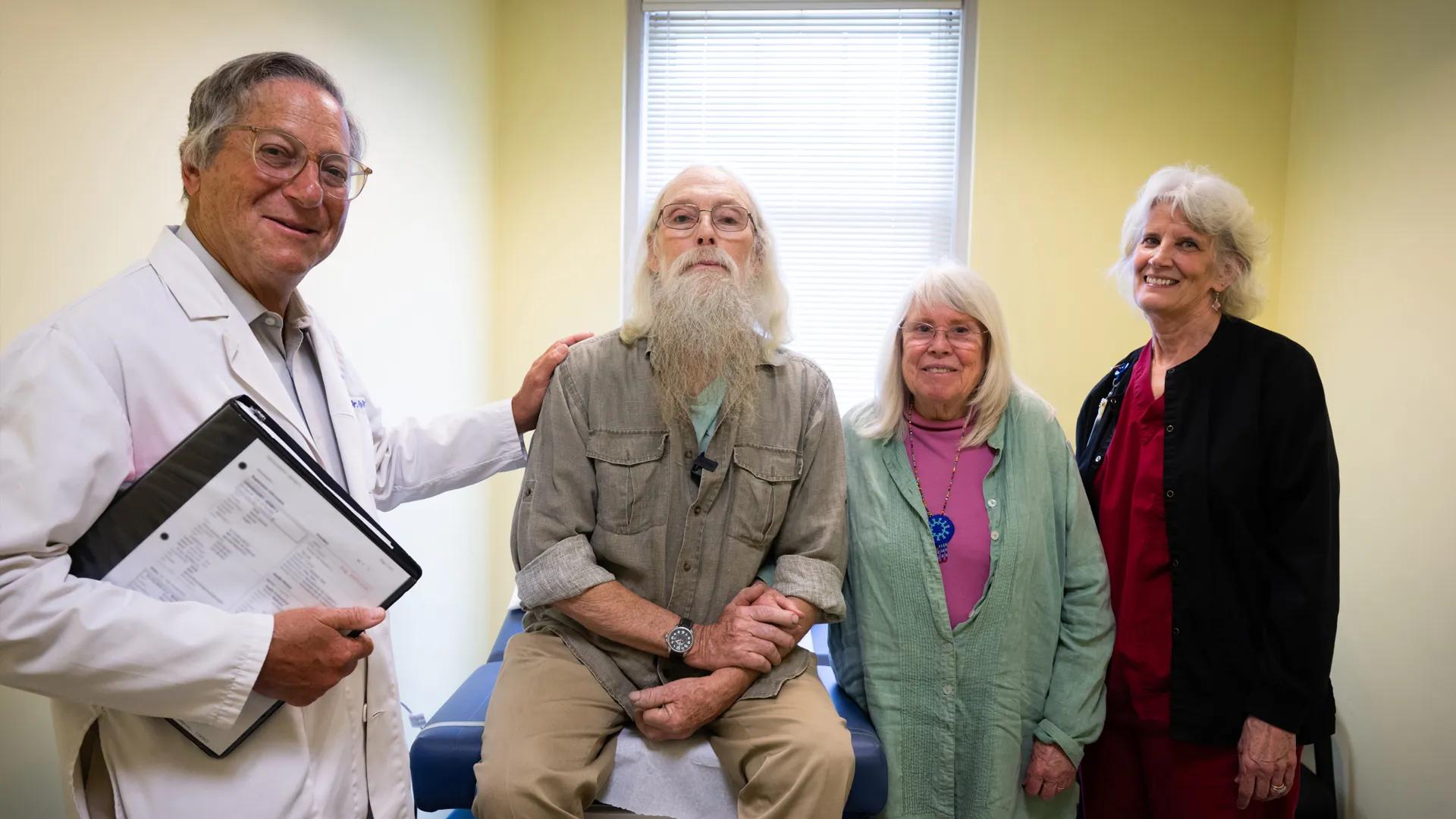
But Henry’s journey for cutting-edge cancer care kept him closer to home, much closer. The only hospital on the island, MDI Hospital, and the only community oncologist, Philip Brooks, M.D., were only 10 minutes away from the Grandgents’ home.
Brooks is part of The Jackson Laboratory’s Maine Cancer Genomics Initiative (MCGI) oncology practice network, which meant he was able to get advanced testing for Henry. He brought Henry’s case with those tests to one of MCGI’s Genomic Tumor Boards, where an interdisciplinary panel of experts (including oncologists, pathologists, geneticists, and researchers) reviewed his case and analyzed his unique genetic mutations. With the help of these experts, Brooks was able to determine the treatments that would give Henry the best chance of success.
“It's within three miles, this world-class operation,” said Henry. “There are a lot of people that say, oh, well, you should go down to Boston and see so-and-so … but, I can get in the car and be in the doctor's office in ten minutes.”
Henry ultimately received chemotherapy. Had his cancer required more specialized treatment, the Genomic Tumor Boards can help connect patients with active clinical trials to give them the best chance of survival.
Brooks, who has been part of MCGI since it was initiated in 2016, said that it was the “first project that brought the oncologists of Maine together, dedicated to trying to use genomics to better the outcomes of our patients.”
MCGI provides Maine’s oncologists with access to world experts and Brooks said that having access to the cutting-edge field of genomics has “transformed” the way he sees patients.
“I see patients every day who have benefits from this technology and, really, every day in the clinic, I have patients who would not have been alive without targeted therapy and immunotherapy,” said Brooks.
For the Grandgents, Brooks’ care and partnership with MCGI felt like a lifeline. “The relief was in feeling confident that the people that were doing things knew what they were doing,” Gail said. “It’s nice to be able to trust in science and then find nice people that are sharing it.”
A chance to keep going
Two years after his diagnosis, Henry is doing great. He’s looking forward to this summer when his grandchildren will come to the island and, in the longer term, watching them grow into the people they will turn out to be.
Christina “Chrissi” Maguire, the CEO of MDI Hospital said that it’s not often that people focus on the care teams behind cancer treatments. “We often do not see the quiet heroes that are fortifying these journeys. MCGI is a quiet hero that’s fortifying the journeys and helping our patients thrive.”
“It used to be cancer was a death sentence, and now it’s not. And that’s been the research,” said Gail.
Since it began in 2016, MCGI has helped more than 3,000 cancer patients, primarily Mainers, get the care they needed to keep living their lives.
I wasn’t ready to die. I don’t think anybody is,” said Henry. “It doesn’t feel like we’re looking at the end; feels like we have another chance to keep going.
In working on the story, Henry expressed his desire to thank the people responsible for his care. Special thanks to Philip Brooks, Sam Shaw (Islesford Art and Technology Park), Joyce Macintosh, Melanie Clauson, Vanessa Dalton, and Mount Desert Island Hospital.
Learn more
MCGI for Patients
Access resources for cancer patients through the Maine Cancer Genomics Initiative (MCGI), including clinical trials, genetic testing, and patient support.
Study indicates that cancer patients gain important benefits from genome-matched treatments
Maine cancer patients experienced better outcomes following genomic tumor testing to guide targeted therapy strategies; but a gap between testing and clinical delivery still exists.